
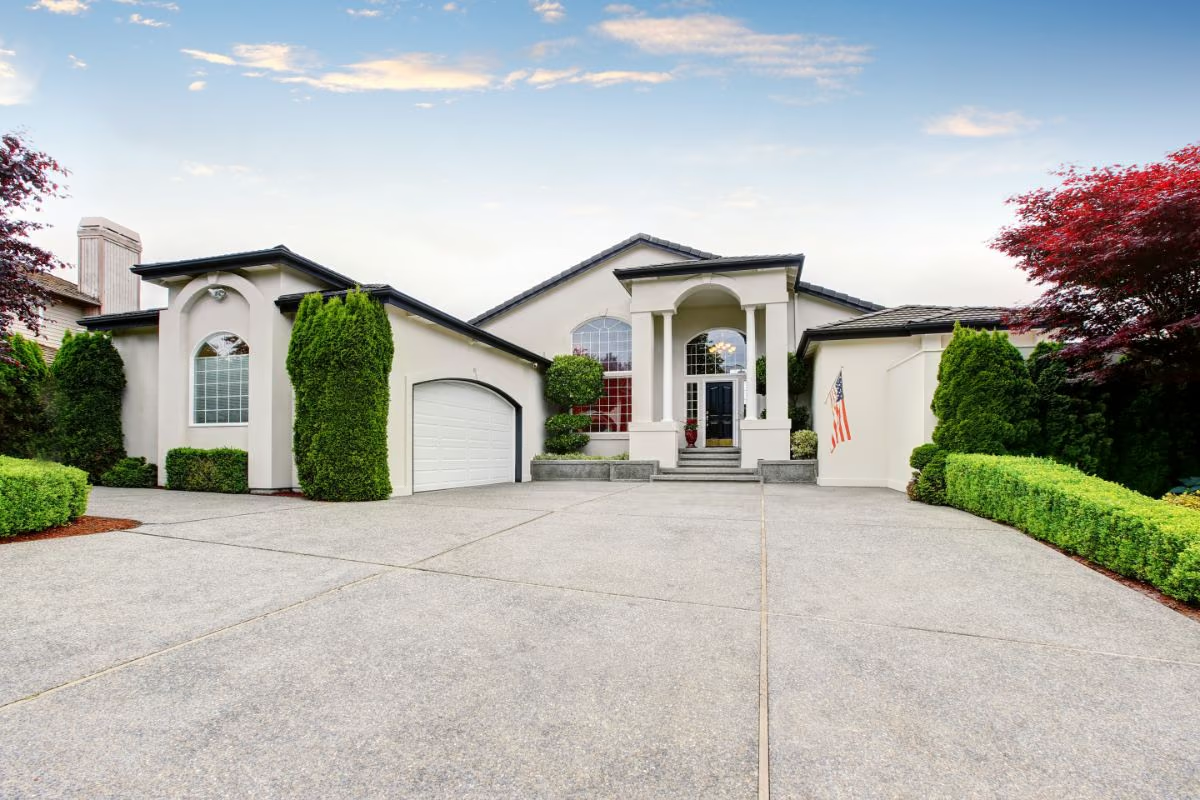
Concrete Driveways
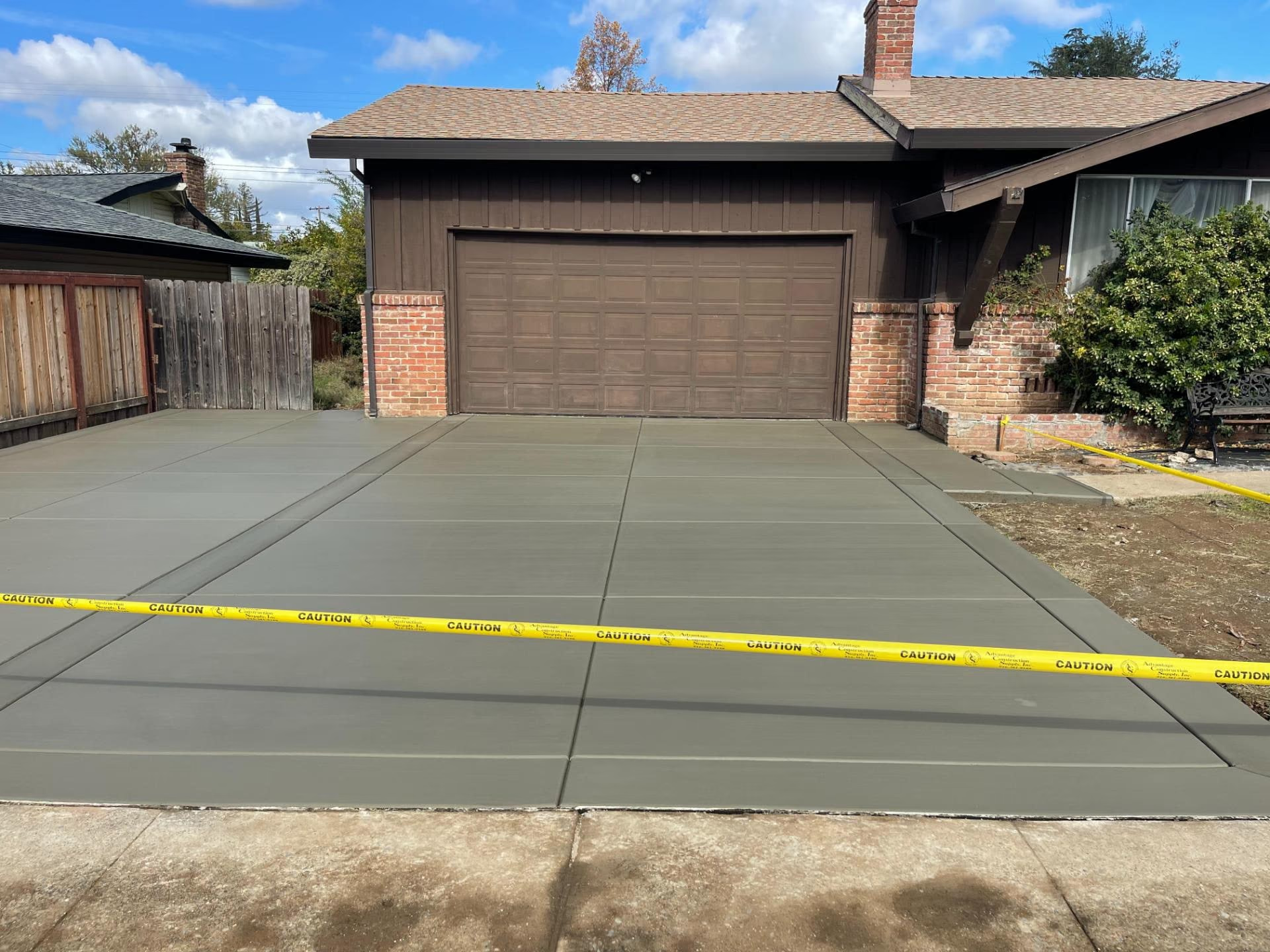
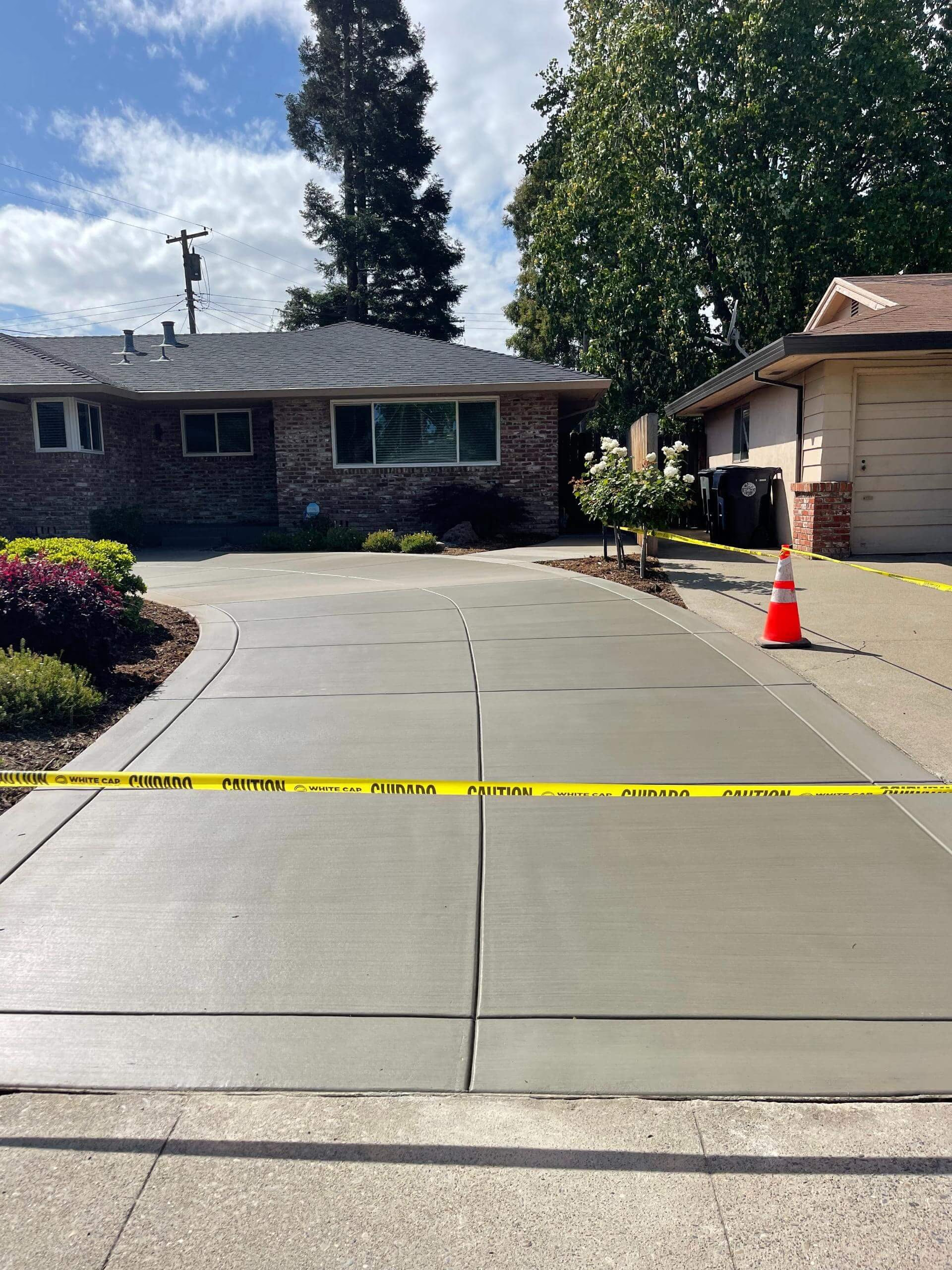
CA Pro Concrete specializes in the installation of concrete driveways, offering quality concrete services from start to finish. This covers full replacement of a cracked slab, a widened approach, or a new pour on ground that has not previously carried a vehicle.
A driveway carries more load than any other surface on a property, and service life is determined by the base rather than by the concrete. The subgrade is cut to depth and compacted, reinforcement is sized for the vehicles, and control joints are cut early.
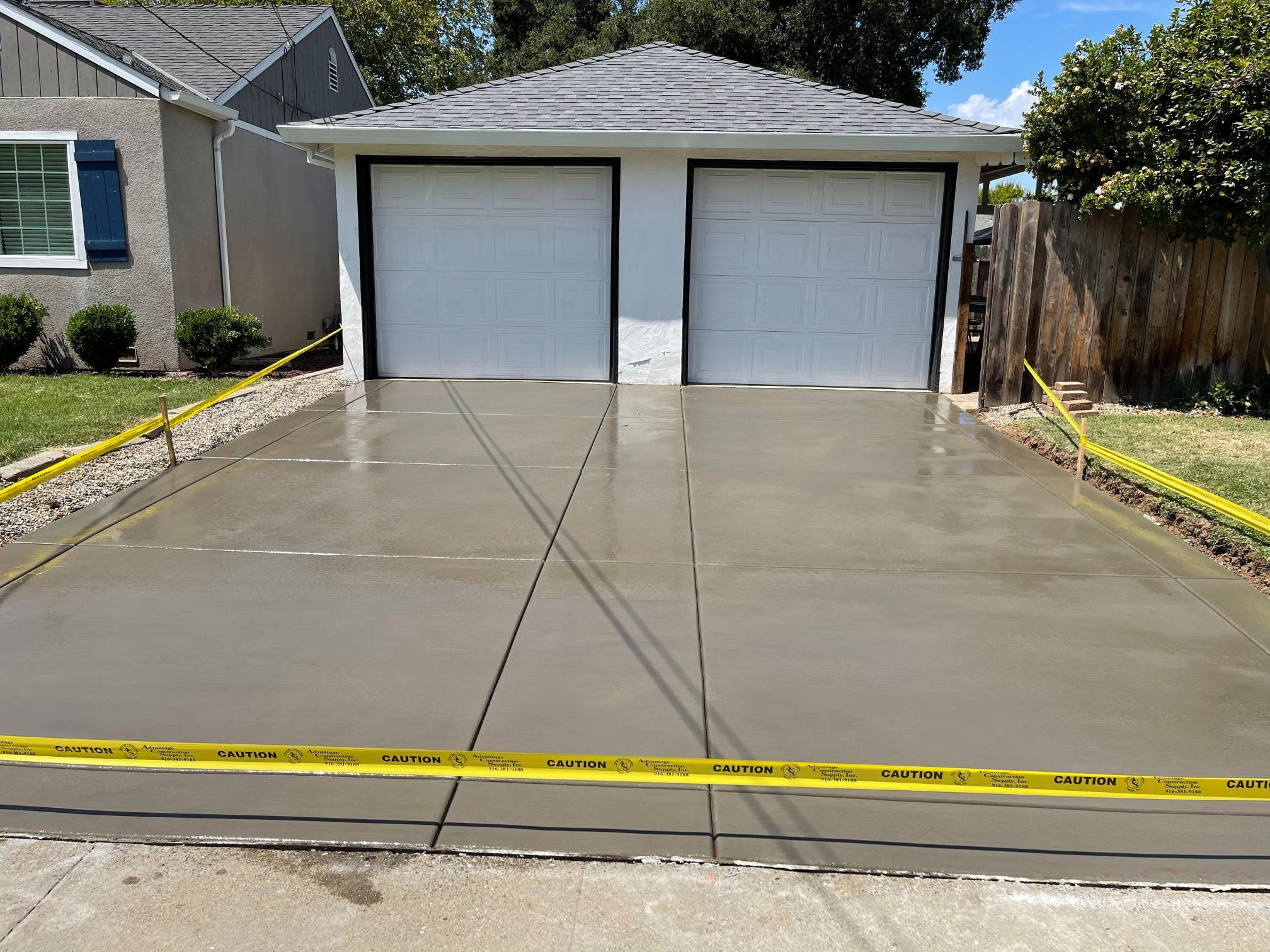
A broom finish is the standard specification. It provides traction when wet, conceals the marks a driveway collects, and is the least expensive option. Stamped and exposed-aggregate finishes cost more and produce a considerably better appearance from the street.
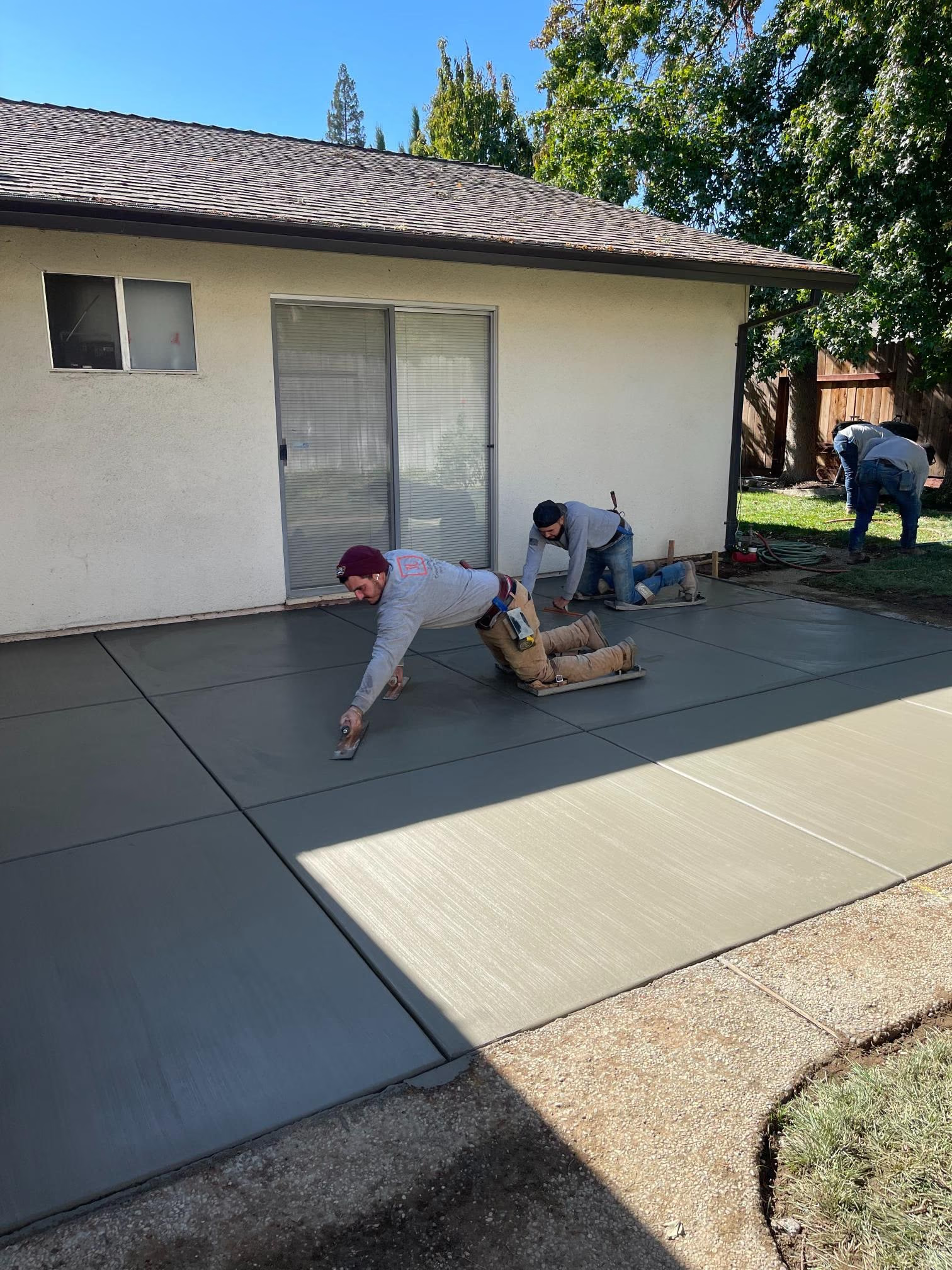
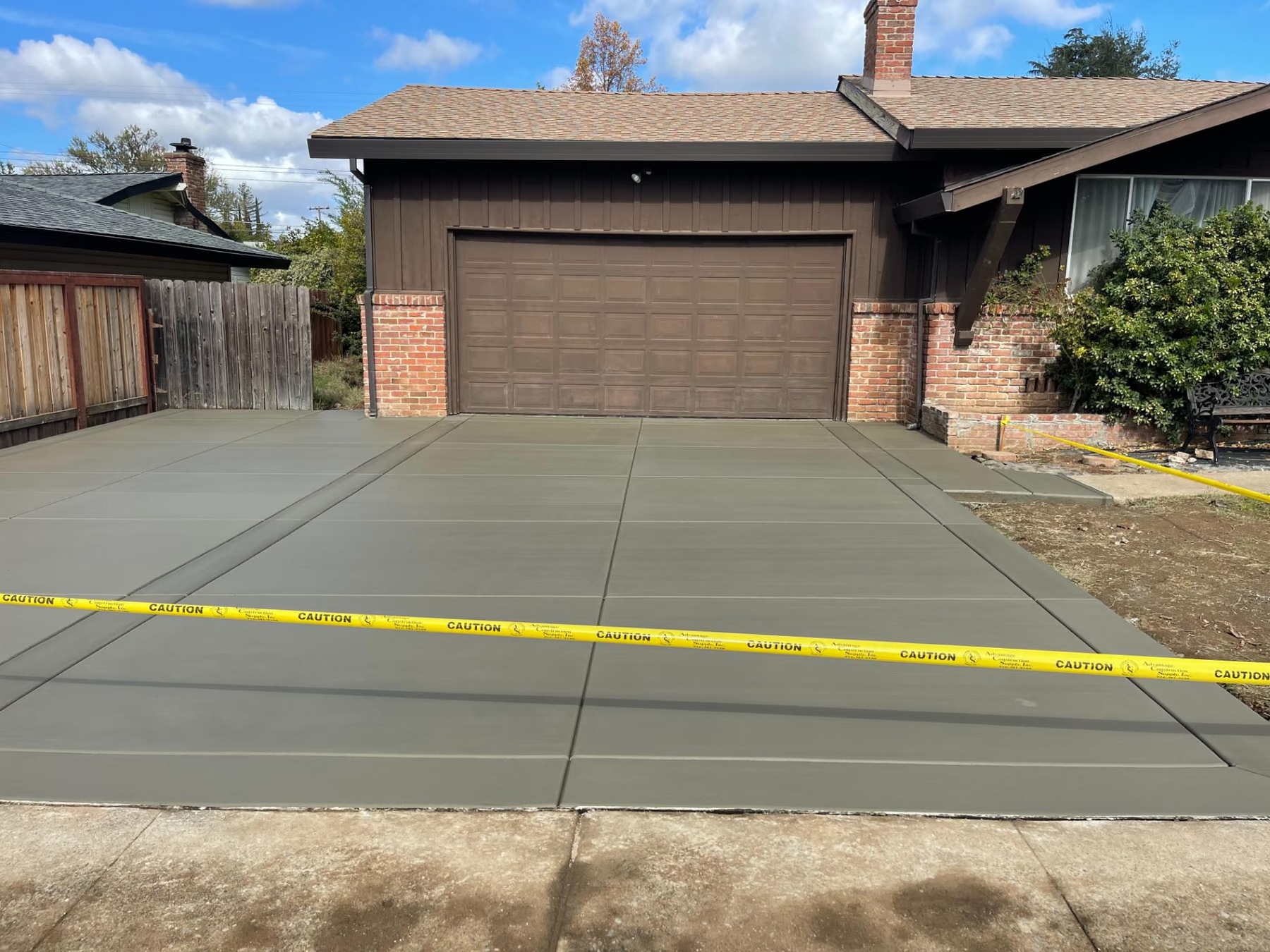
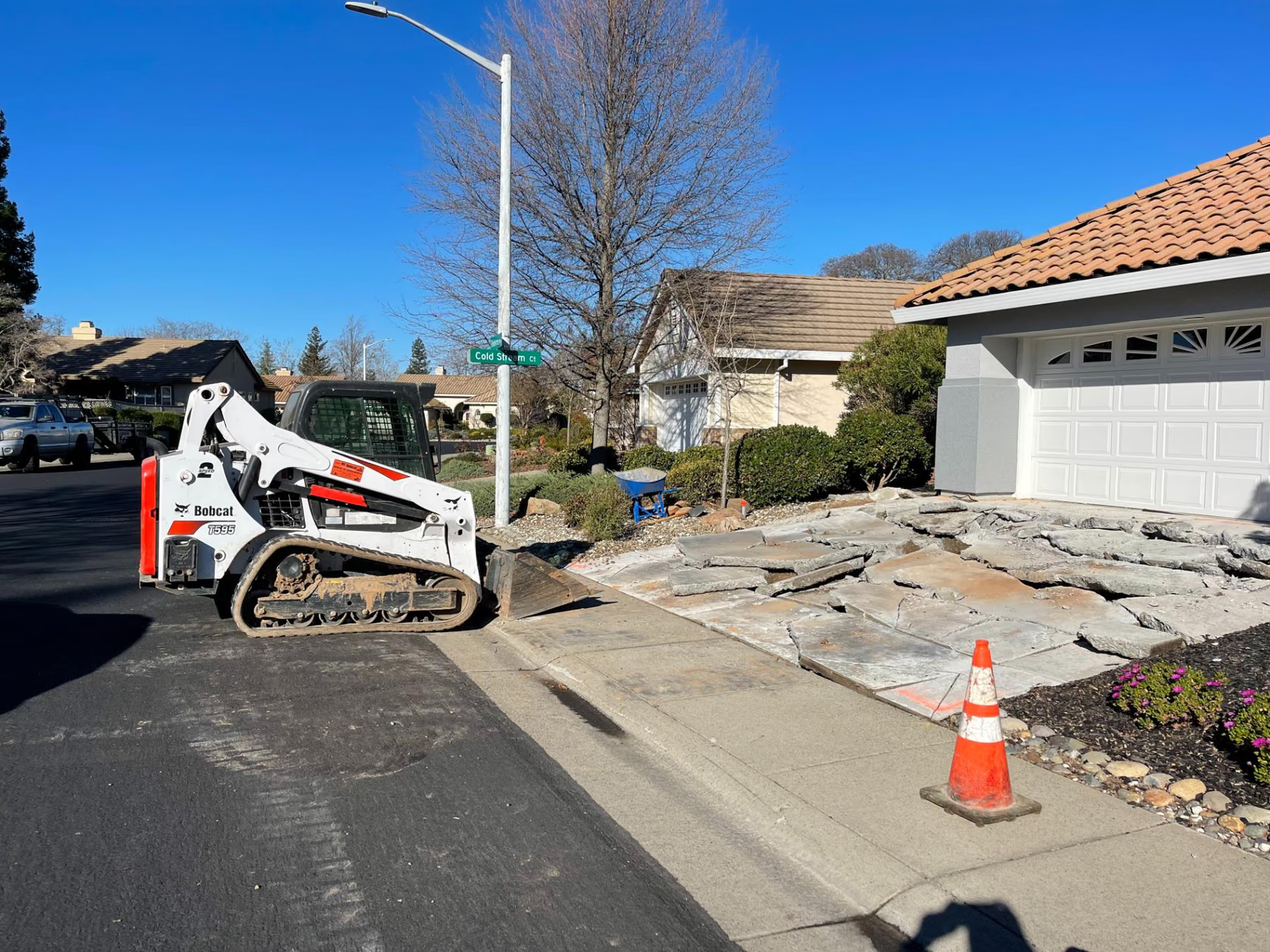
Concrete driveway installation and replacement in Sacramento
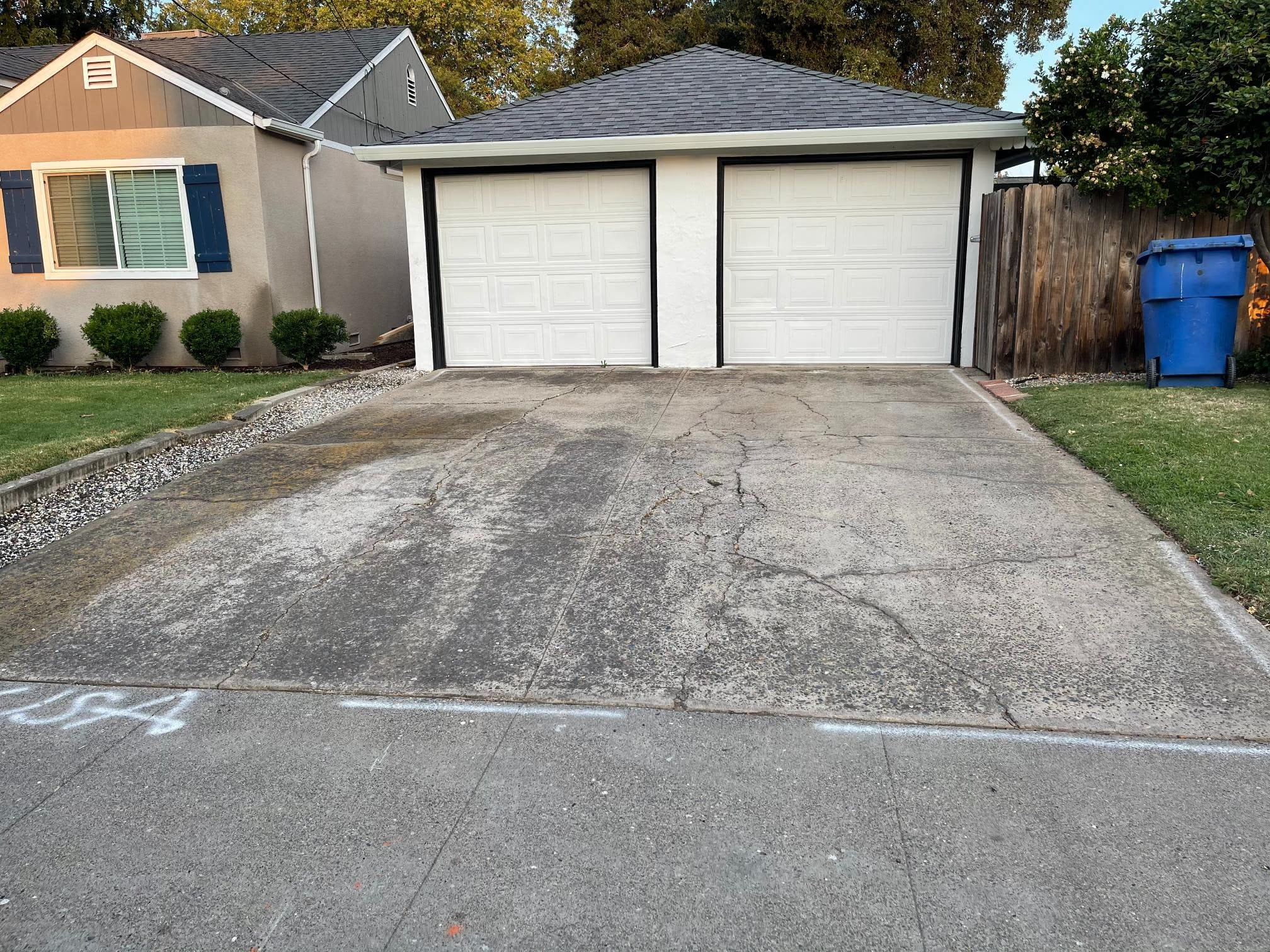
CA Pro Concrete installs new concrete driveways, replaces slabs that have cracked beyond repair, and widens or extends existing driveways across Sacramento. Replacement is the most common request we receive: driveways poured on unprepared ground decades ago, lifted by tree roots or broken up under the weight of a second vehicle.
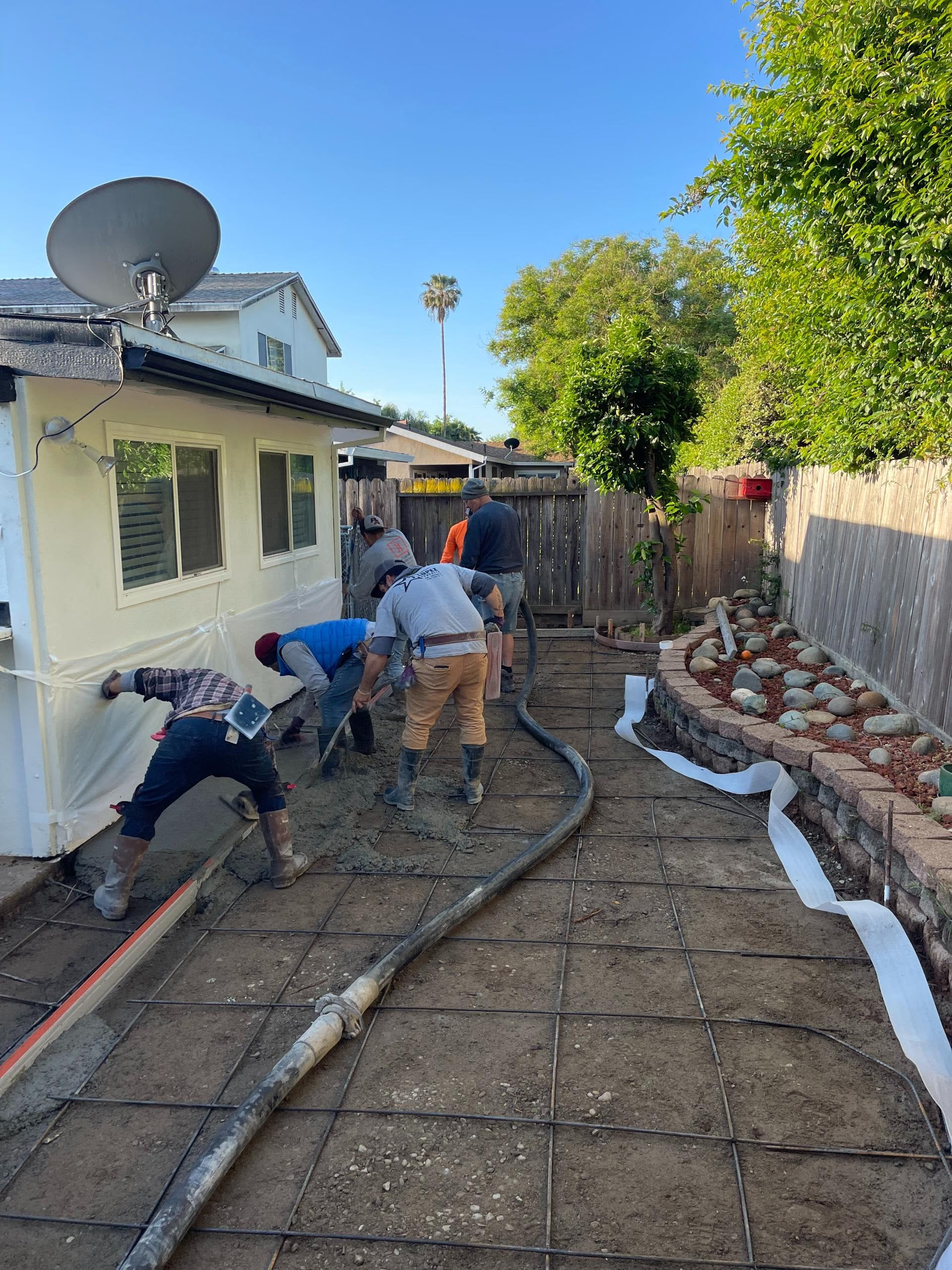
Durability is determined before any concrete arrives on site. The existing slab is removed, the subgrade is excavated to depth and compacted, and reinforcement is specified for the vehicles the driveway will carry. A driveway bears more weight than any other surface on a residential property, and no concrete mix compensates for a base that was never prepared.
What is included in a concrete driveway project
Every driveway installation follows the same three stages. The first two determine how the finished slab performs.
Removal and haul-away
The existing slab is broken out, loaded and hauled off site, including the sections at the garage apron and gate line that are commonly excluded from square-foot pricing.
Base preparation and grading
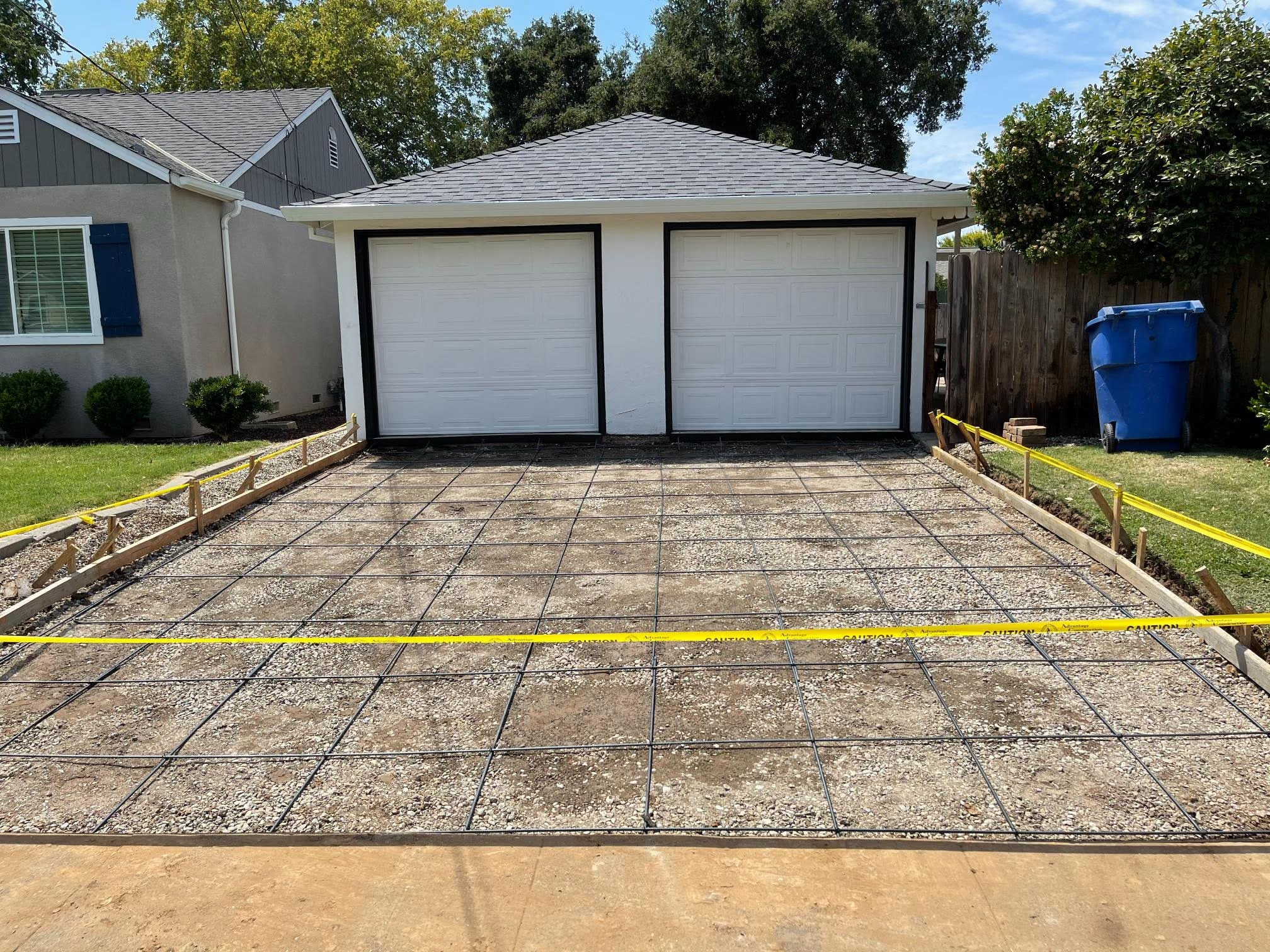
The subgrade is excavated to depth, graded so surface water drains toward the street rather than the garage, and compacted before reinforcement is placed.
Reinforcement, pour and finish
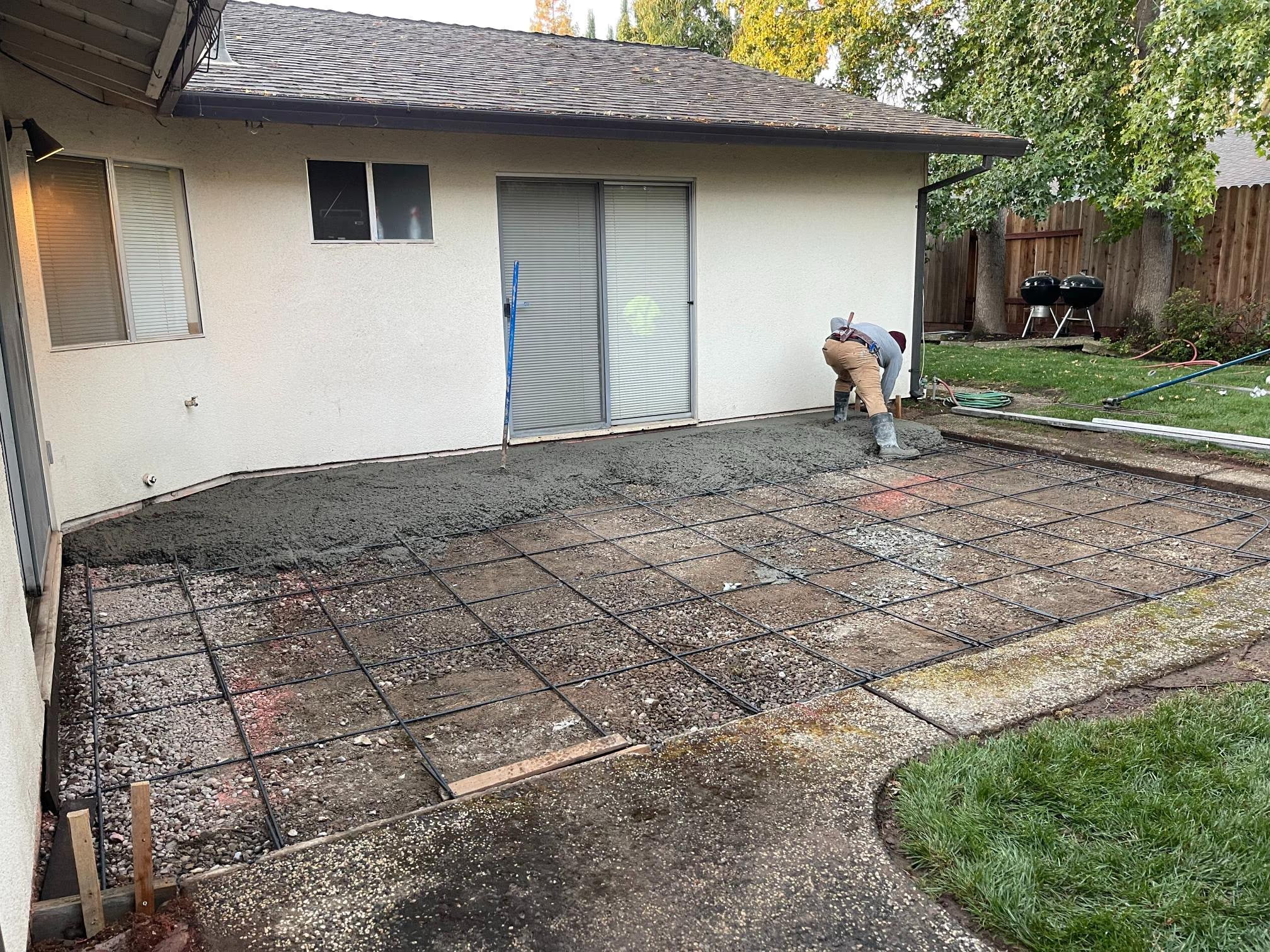
Rebar or mesh is set, the slab is poured and finished to the specified texture, and control joints are cut early at planned intervals.
Why choose CA Pro Concrete for your driveway
- Specified for the load
- Slab thickness and reinforcement are determined by the vehicles the driveway will carry. A two-car residential driveway and one serving a work truck or RV are built differently.
- Graded for drainage
- Surface water is directed away from the driveway and the garage. A slab poured dead level performs well in summer and finds its low point in the first heavy rain.
- CSLB License #1024813
- A California State License Board contractor's license that can be verified before you call, and full insurance coverage.
- Free on-site estimate
- We assess the existing surface, the subgrade and site access in person. These factors determine the price and cannot be evaluated over the phone.
Concrete driveway questions
If your question is not answered here, contact CA Pro Concrete directly. We assess every job on site and provide a written estimate at no charge.
How much does a concrete driveway cost in Sacramento?
We do not publish a per-square-foot rate, because square footage is rarely the primary cost driver. Price is determined by the condition of the existing surface, whether a slab must be removed and hauled away, site access for the concrete truck, the condition of the subgrade, and the finish selected.
A driveway extension on clear ground and a full replacement of a root-damaged slab differ substantially in cost at identical square footage. We provide a written estimate following an on-site assessment, at no charge and with no obligation.
How thick should a concrete driveway be?
Four inches is the standard thickness for a residential driveway carrying passenger vehicles and light trucks. Five to six inches, with heavier reinforcement, is specified where the slab will support an RV, a work truck, a trailer or regular delivery traffic.
Thickness alone does not determine performance. A six-inch slab over an uncompacted subgrade will fail before a four-inch slab over a properly prepared base. Base preparation is covered under digging and grading.
How long does a concrete driveway last?
A concrete driveway built over a compacted base, reinforced for its intended load and jointed correctly has a service life of thirty years or more. The concrete itself is rarely the component that fails first.
Service life is shortened by ground movement: an uncompacted base settling, tree roots lifting a section, or water penetrating beneath a slab that was graded flat. These outcomes are determined during construction rather than by maintenance.
Can a cracked driveway be resurfaced instead of replaced?
In many cases, yes. Surface cracking and scaling on a slab that remains flat and well supported can be addressed with an overlay or resurfacing, at considerably lower cost than full replacement.
Cracks with vertical displacement, sections that move under vehicle weight, or a slab broken into separate pieces indicate that the ground beneath has shifted. An overlay applied over these conditions will crack in the same locations within one to two years. Concrete repair covers the options short of replacement.
Why do new concrete driveways crack?
All concrete slabs crack. Correct construction determines where. Concrete shrinks as it cures, and control joints are cut to direct that shrinkage along a planned line. Joints cut too late, too shallow or spaced too far apart allow the slab to crack at random.
Base preparation is the other common factor. Fine hairline cracking between joints is normal and cosmetic. A crack that widens, displaces vertically or runs corner to corner indicates a base or jointing problem and should be assessed.
More Concrete Work
Other work we do around Sacramento
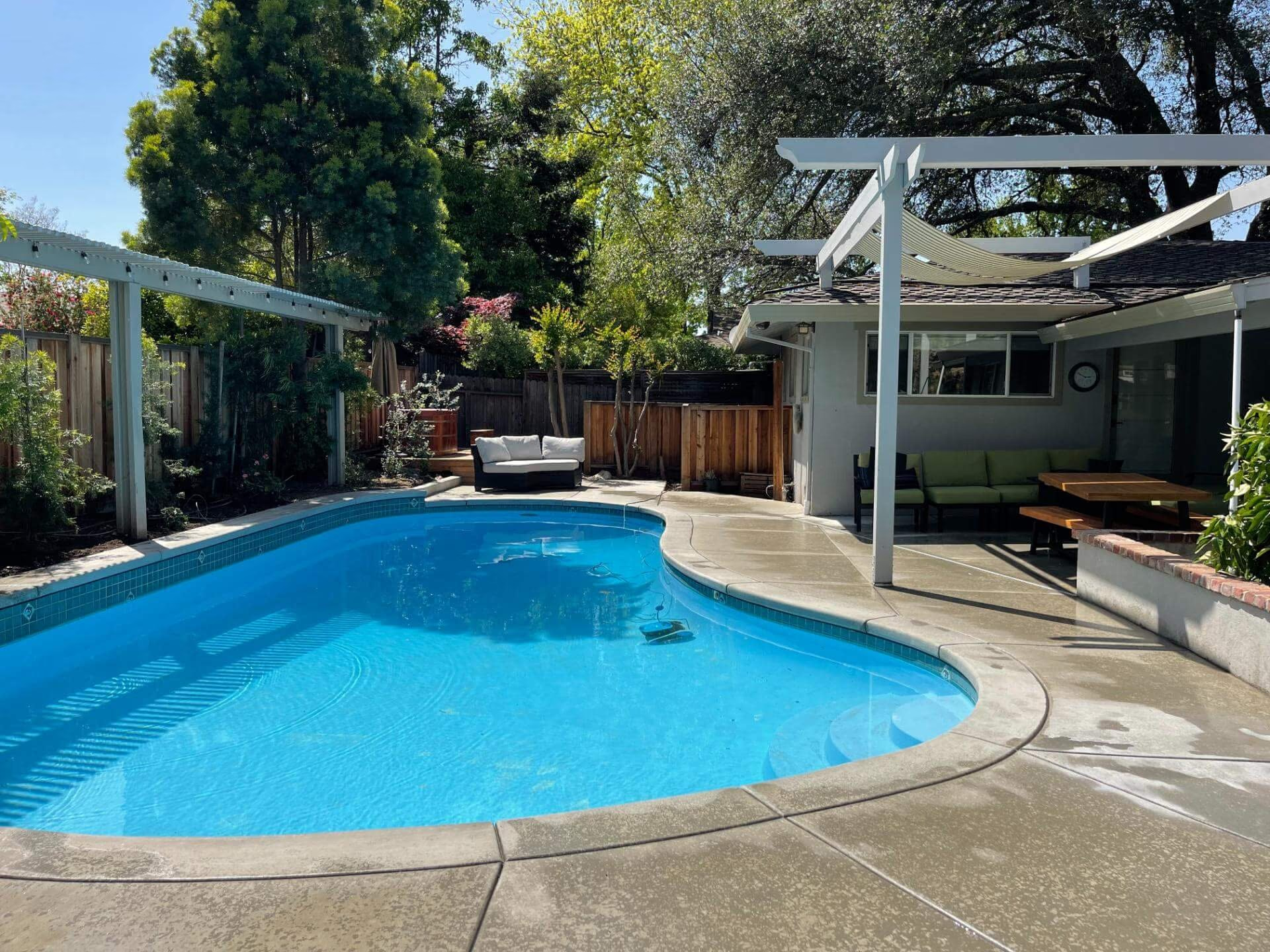 Concrete Pool DecksWe often spend more time on our pool deck than actually in the pool itself, which is what makes a properly constructed pool deck matter.View
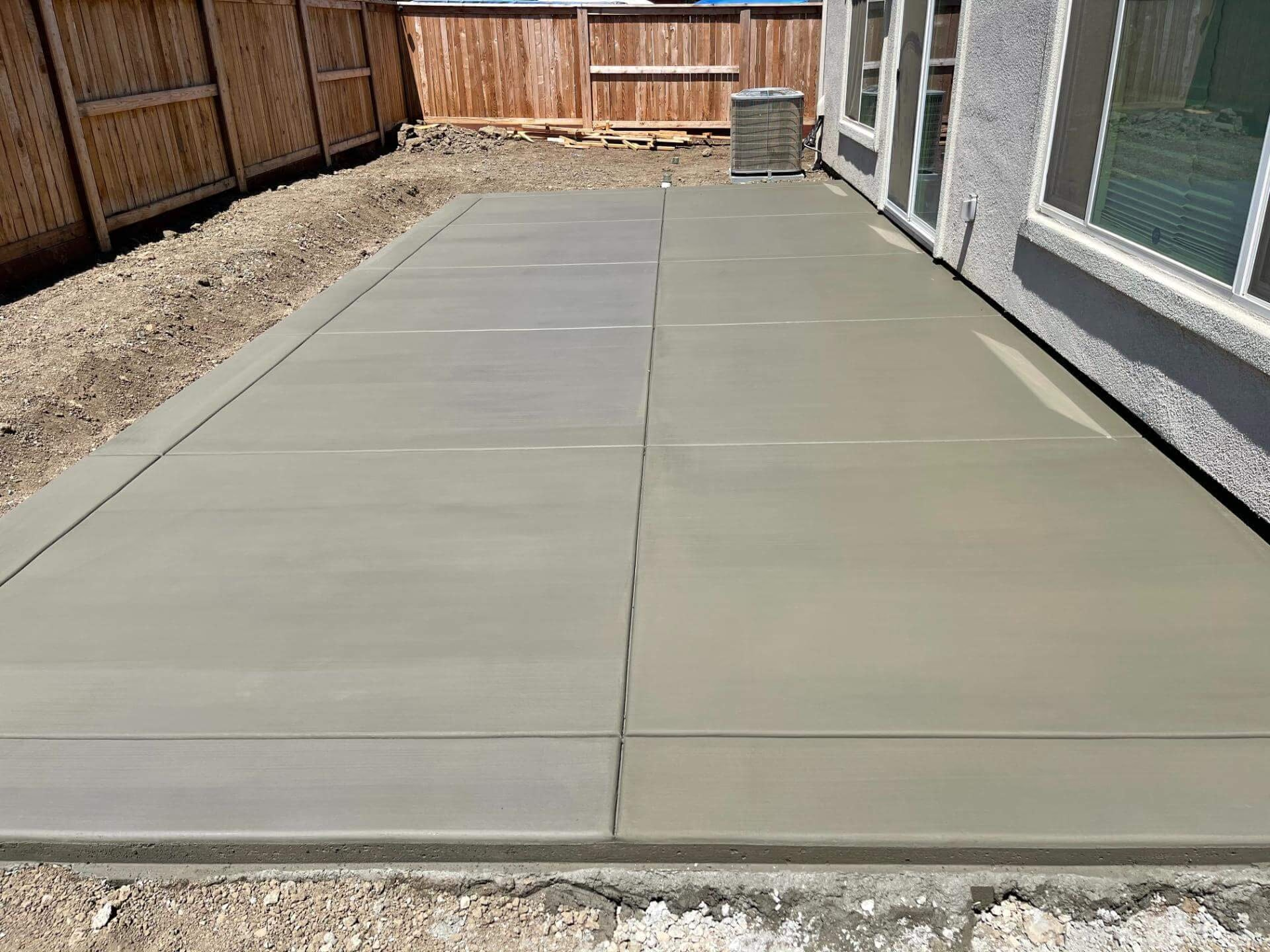 Concrete PatiosPatios breathe life into your outdoor space, significantly elevating the aesthetic and overall living experience of your home.View
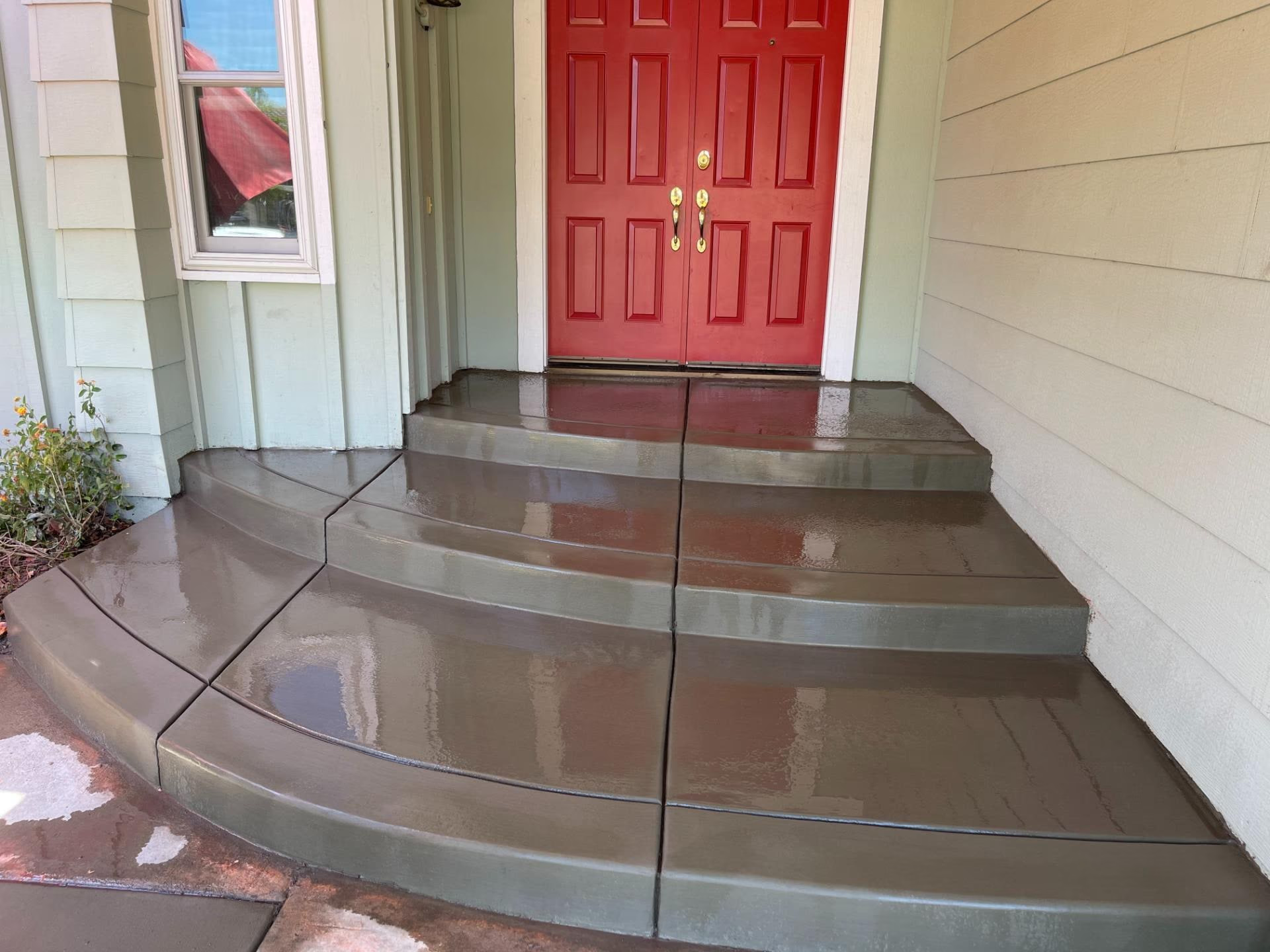 Concrete StepsThe concrete step installation process can be meticulous, but with over ten years of experience in concrete stairs, we have it all under control.View
- All Concrete ServicesThe full list, from a garden path to a parking lot.View

Free Estimates
Let's Talk About the Concrete You Need
Tell us about the job and we will come out and look at it. Estimates are free, and there is no charge for the visit.