
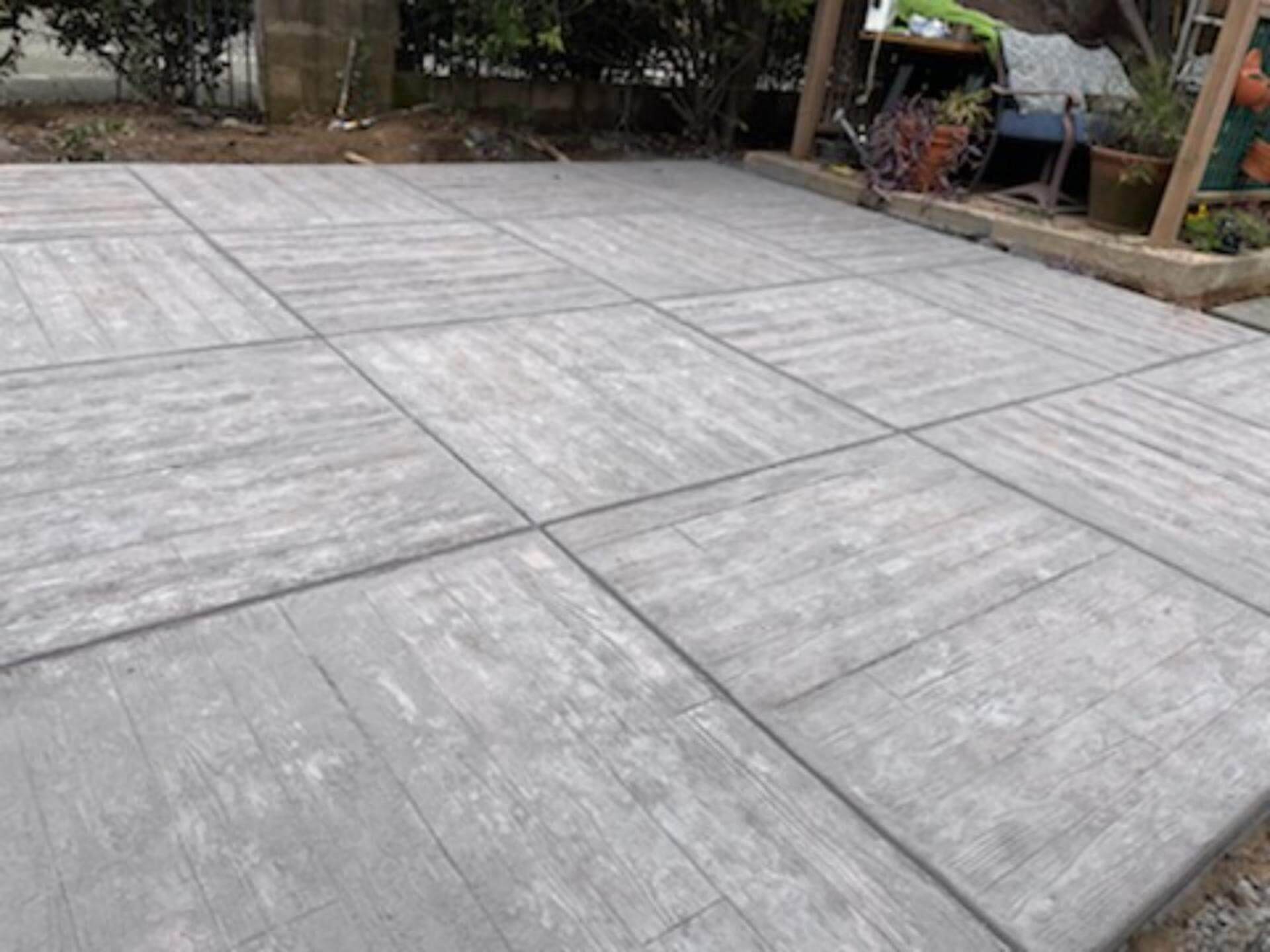
Concrete Slabs
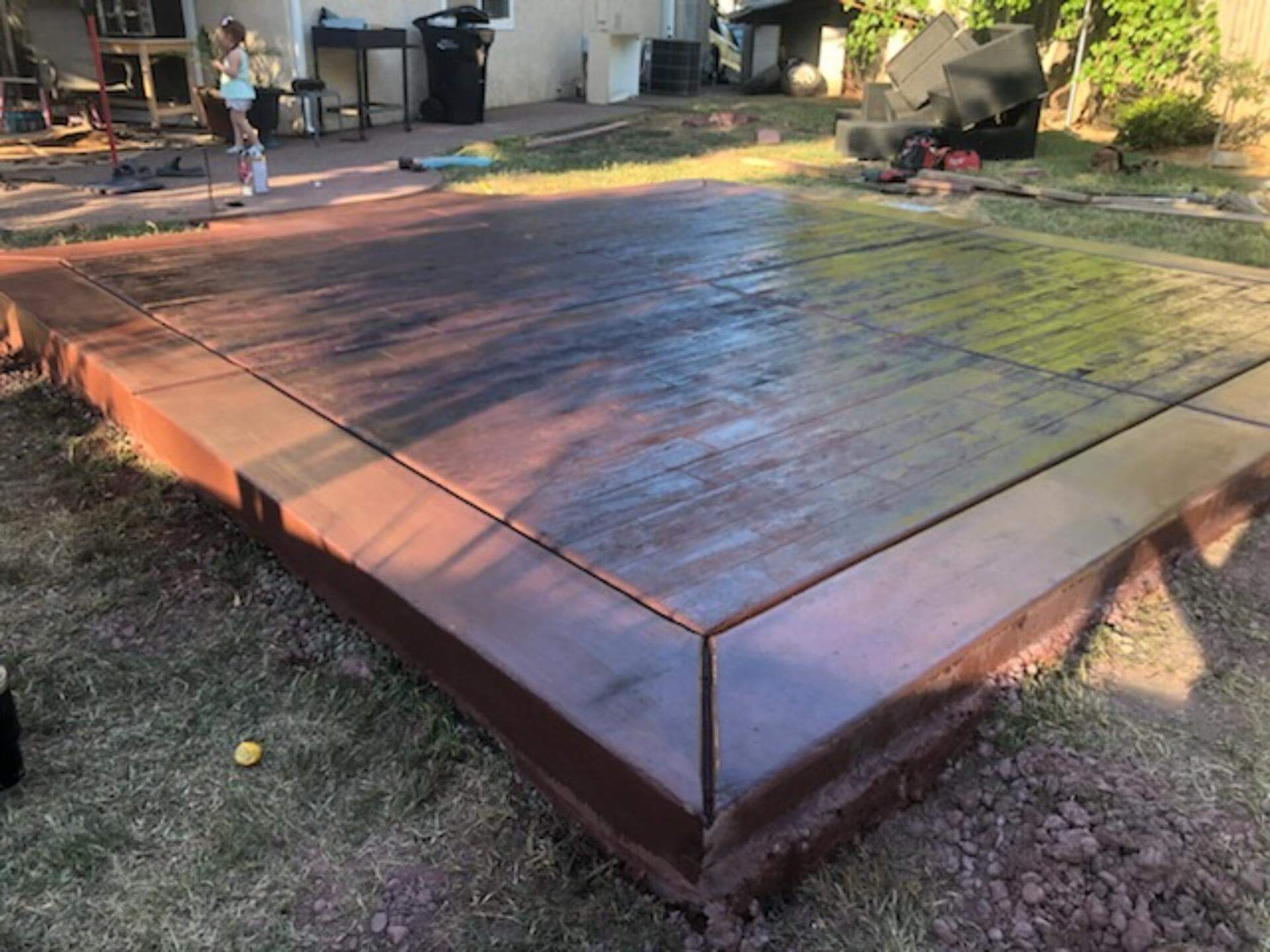
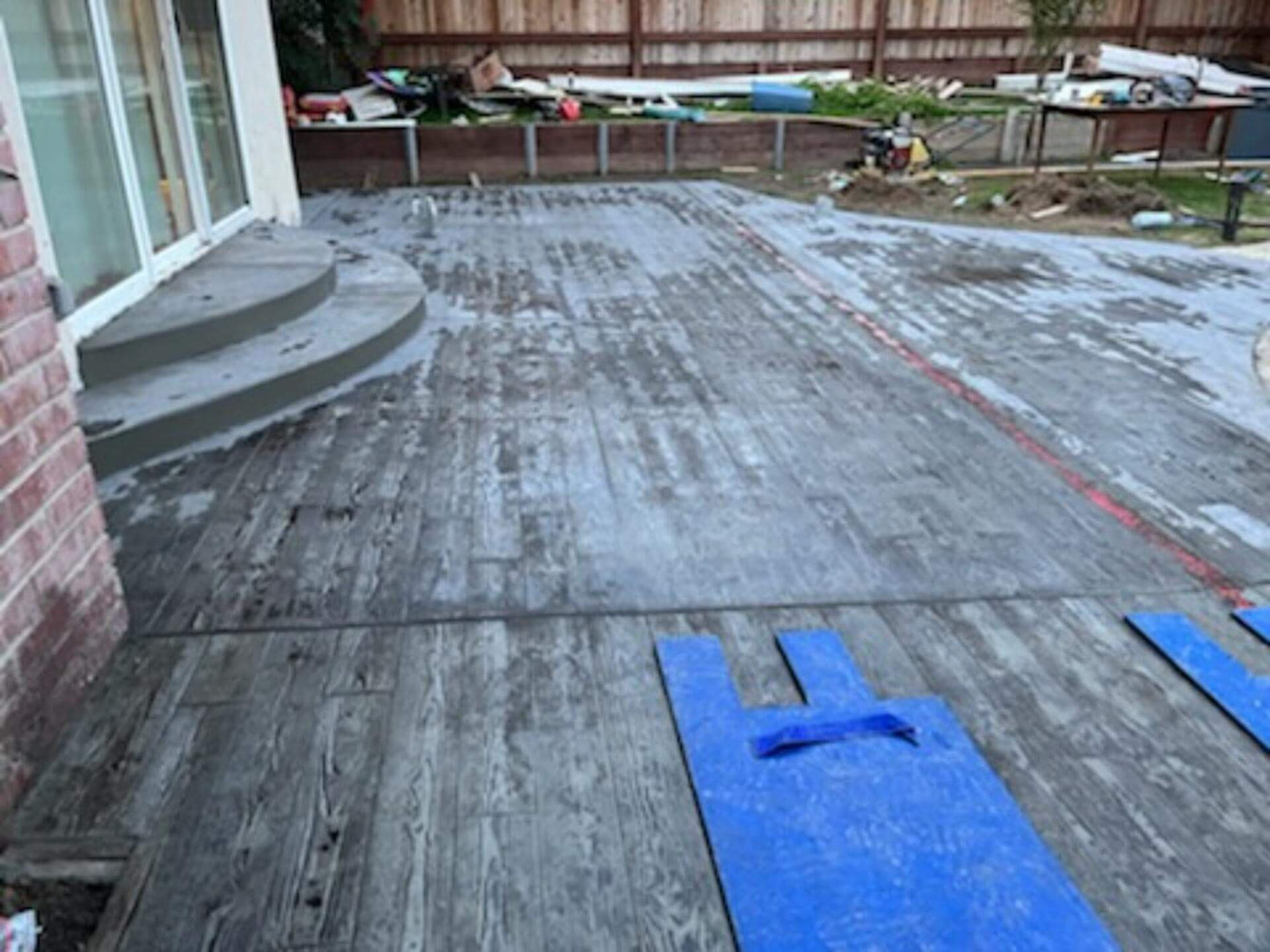
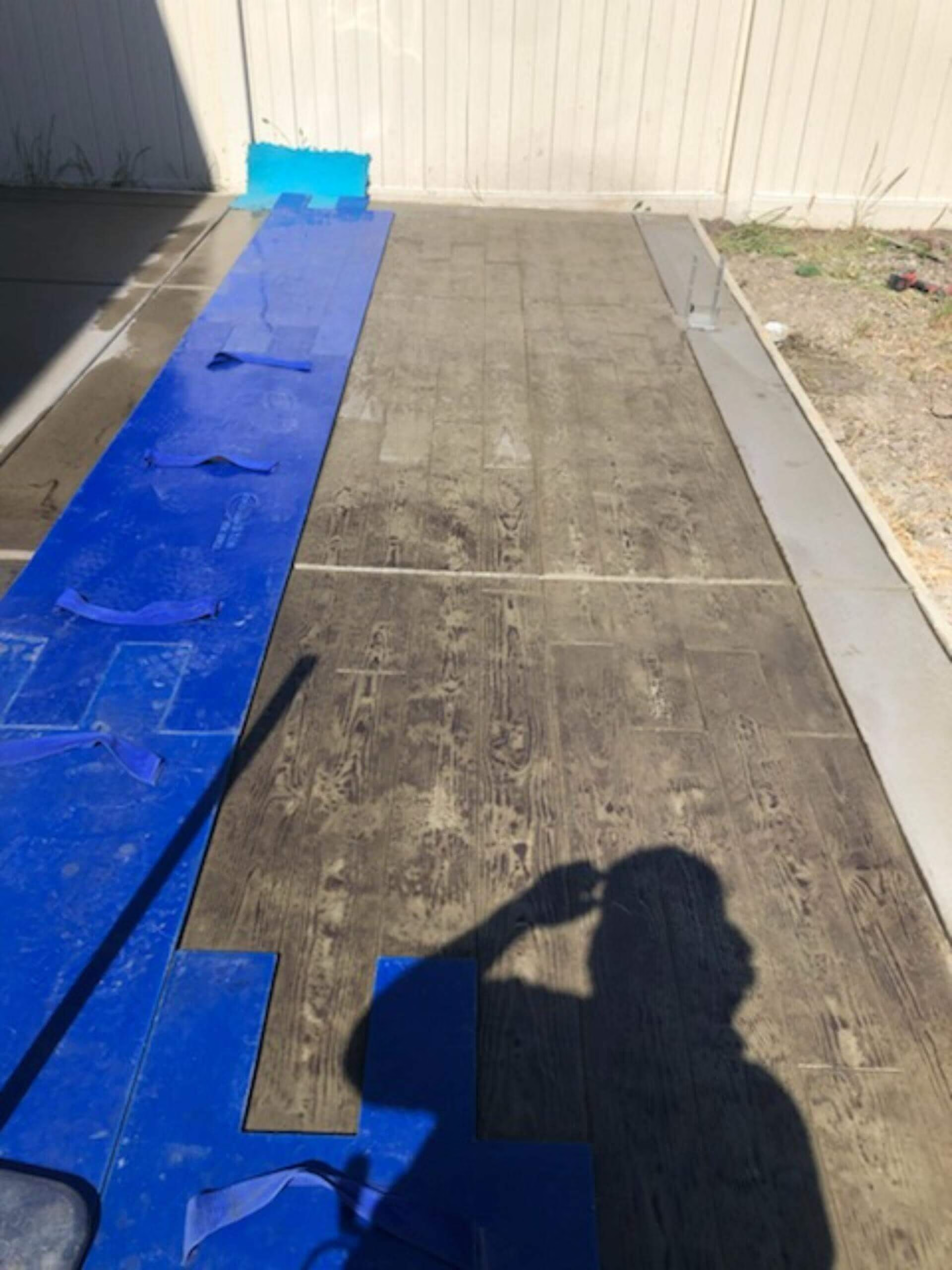
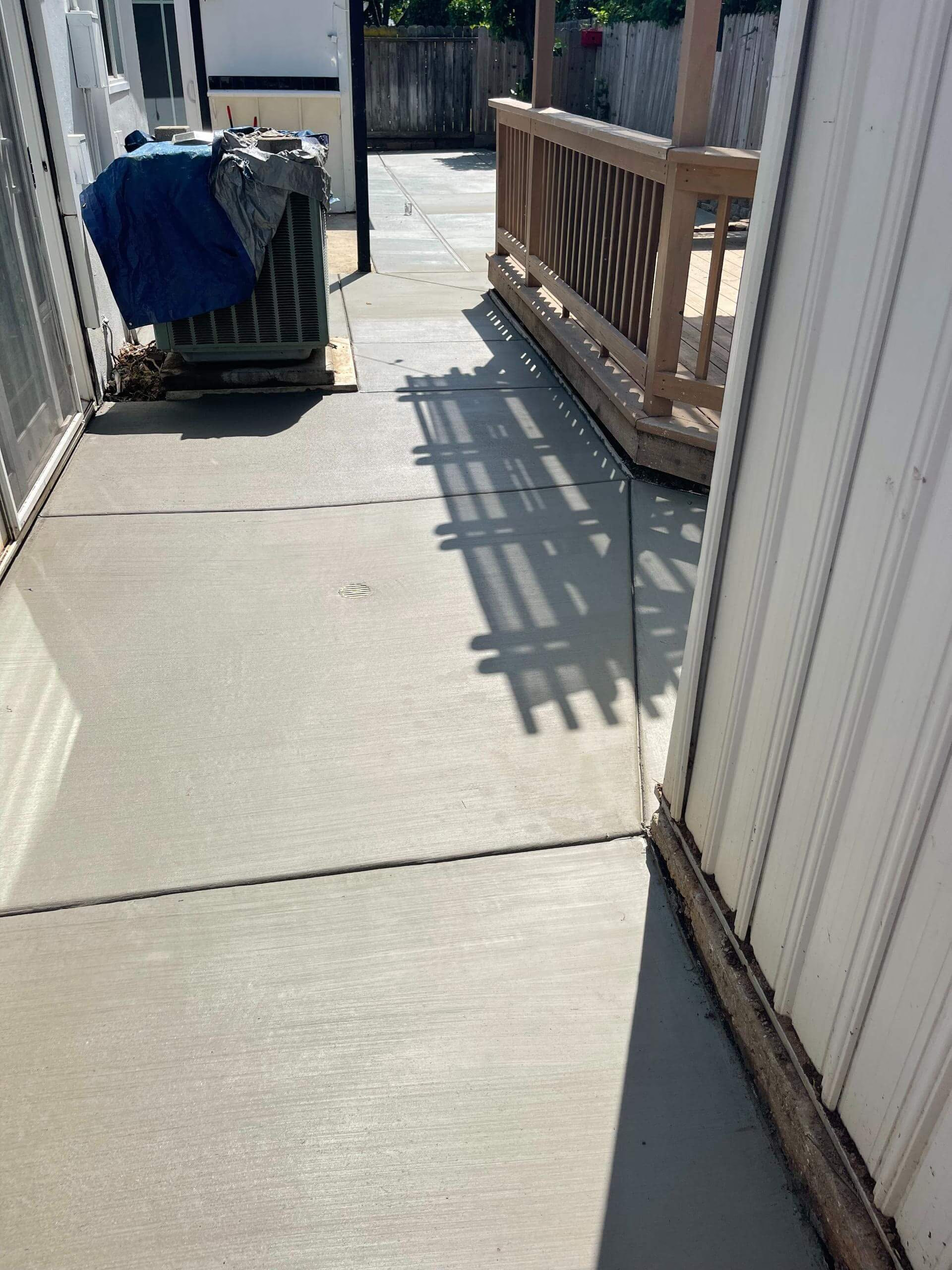
Whether you require a foundation for a structure, a patio or a driveway, we craft high-quality concrete slabs tailored to what the job asks for. Thickness and reinforcement follow the load rather than a default.
A slab is a foundation whether or not a structure sits on it, and it is designed from the load down. A shed pad, a patio and a garage floor are three different pours at three different thicknesses.
The sequence beneath the slab is fixed: excavate to depth, place and compact base material in lifts, install a vapor barrier where required, then set steel. Omitted compaction is the failure that remains invisible until the slab cracks.
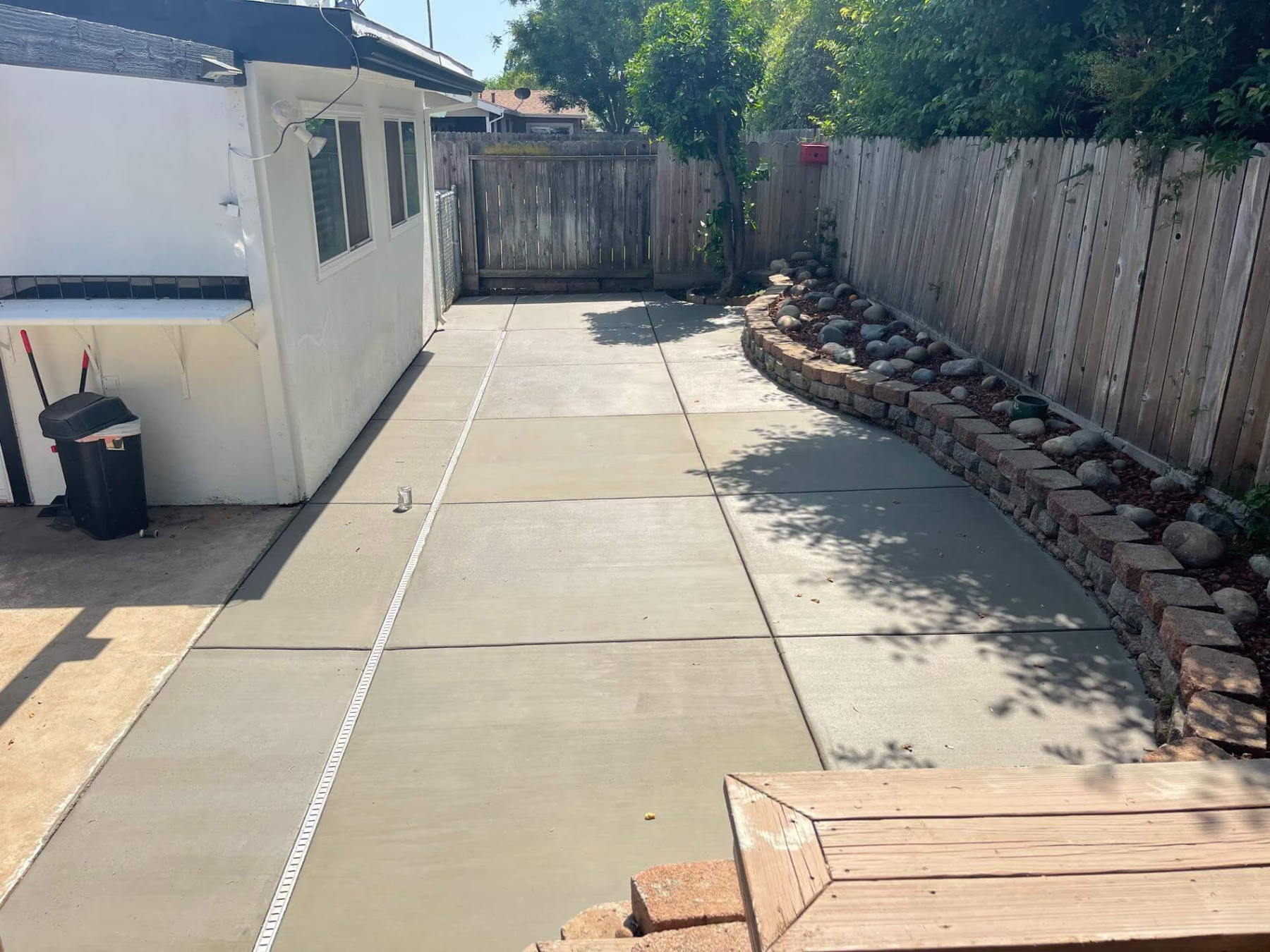
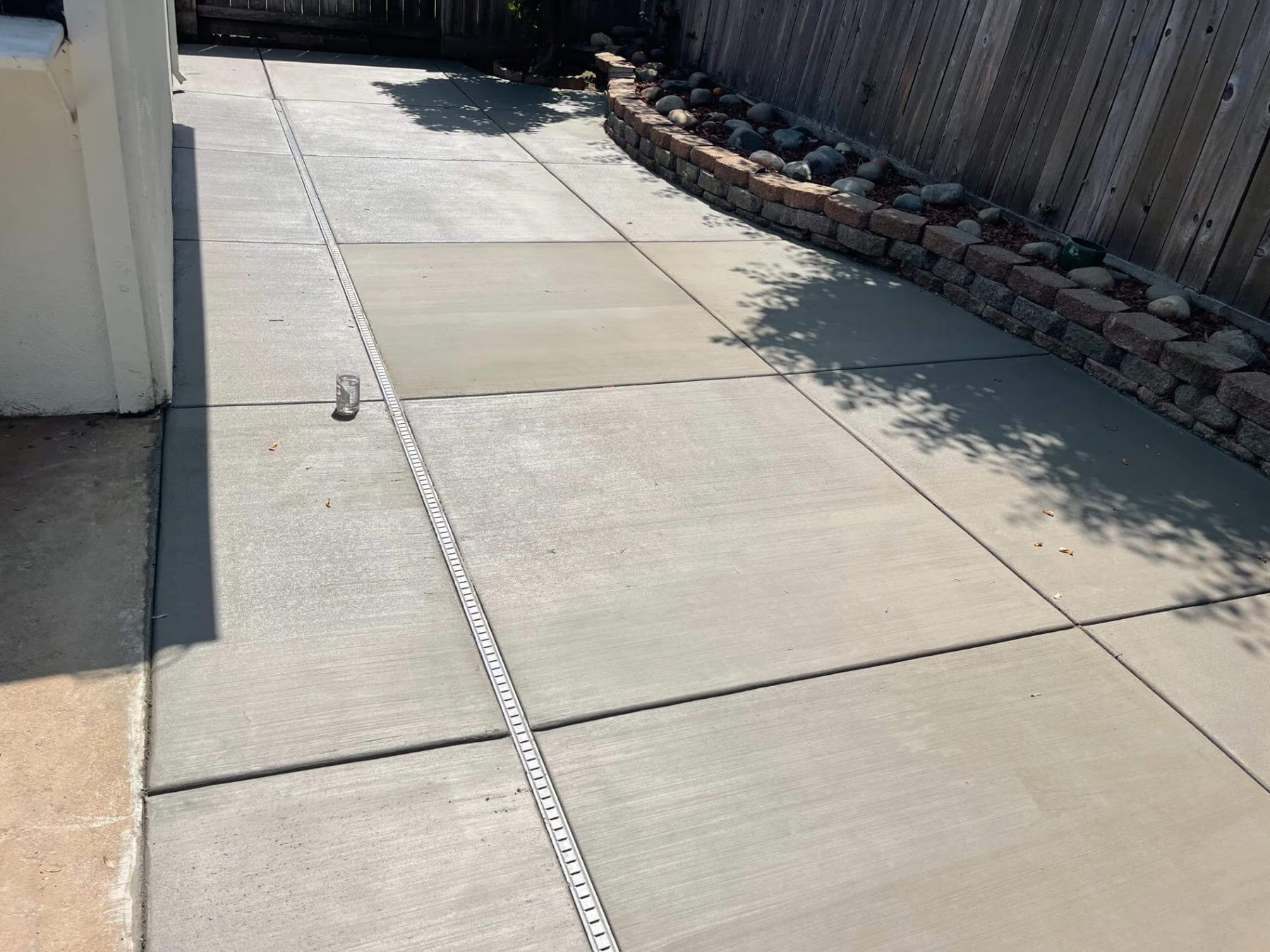
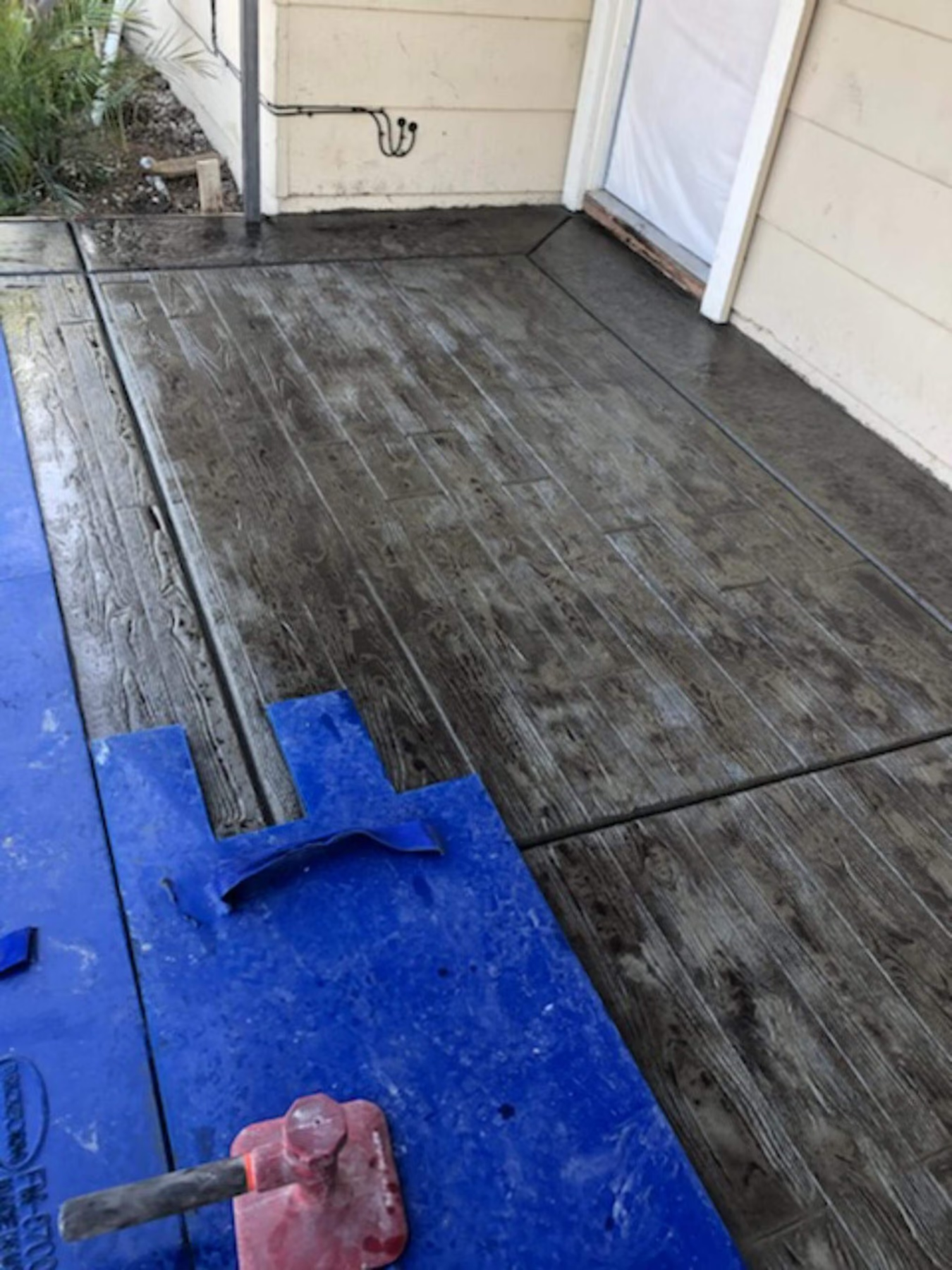
Concrete slab and foundation contractors in Sacramento
CA Pro Concrete pours slabs and pads for residential and commercial projects across Sacramento: garage and ADU slabs, shop and warehouse floors, shed and equipment pads, hot tub bases and building foundations. A slab supports a structure or equipment, so the tolerances are tighter than on decorative flatwork.
Thickness, reinforcement and level are specified by the load the slab will carry rather than by a default. A shed pad and a foundation slab for a habitable structure are different pours with different requirements, and a slab subject to inspection carries obligations that a garden pad does not.
What is included in a concrete slab project
The performance of a slab is largely determined at the first stage, before there is anything visible to assess.
Excavation and base
The pad is excavated to depth, graded and compacted, with imported base material where the existing ground will not carry the load on its own.
Reinforcement and thickness
Rebar or mesh sized and spaced for the intended load, and slab thickness specified by what the surface will support. A shed pad and a structural slab are different specifications.
Level, finish and joints
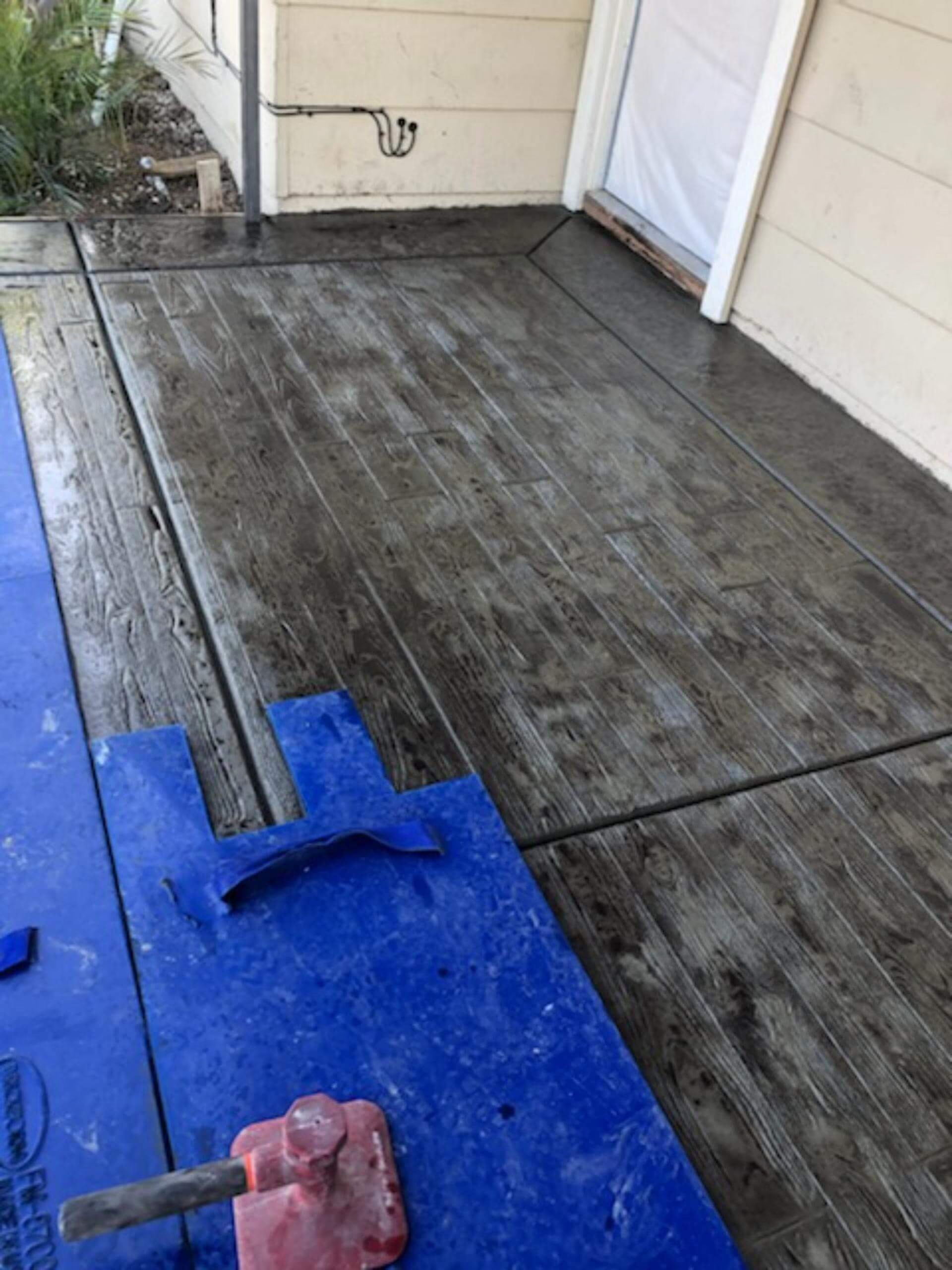
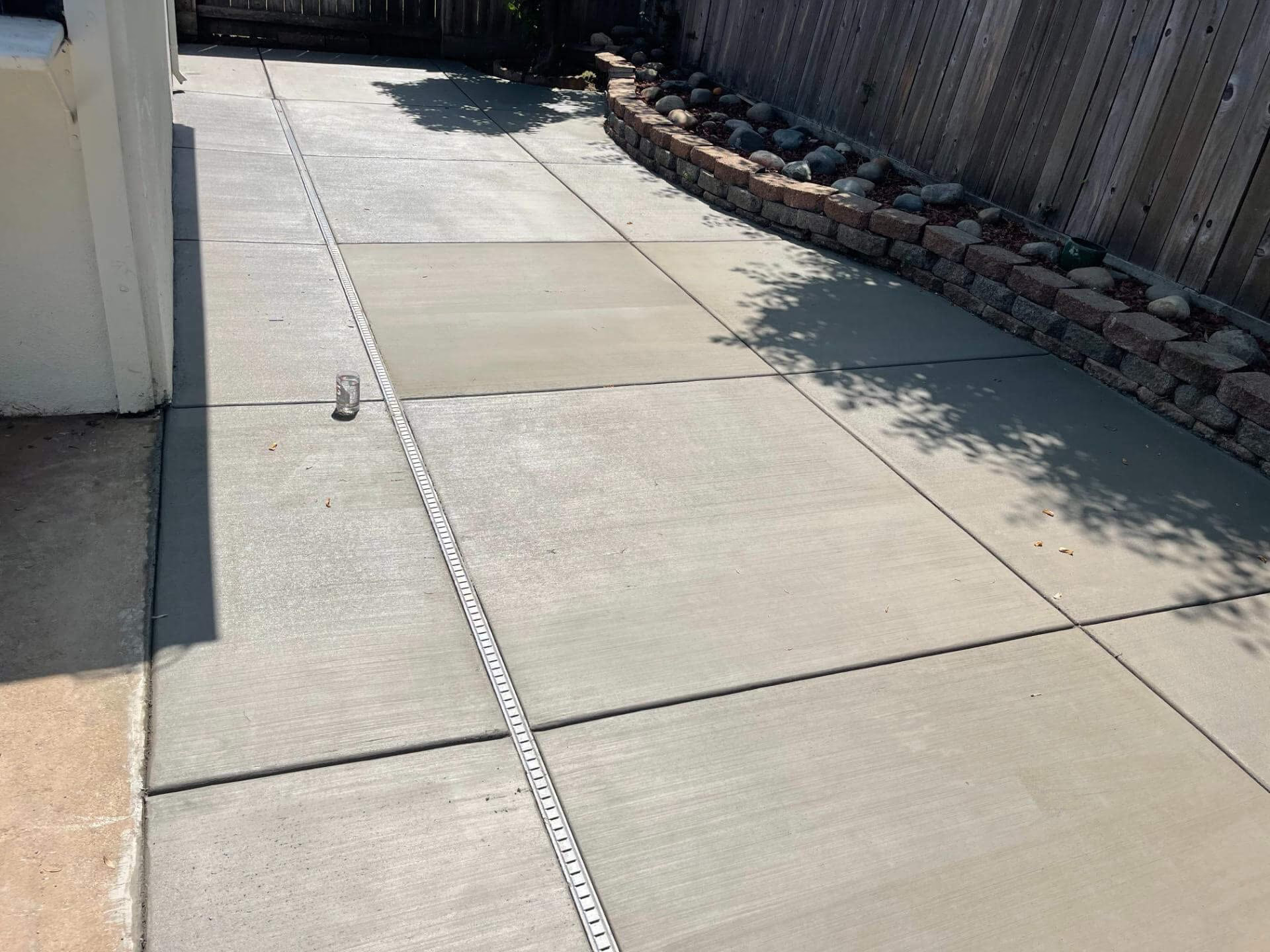
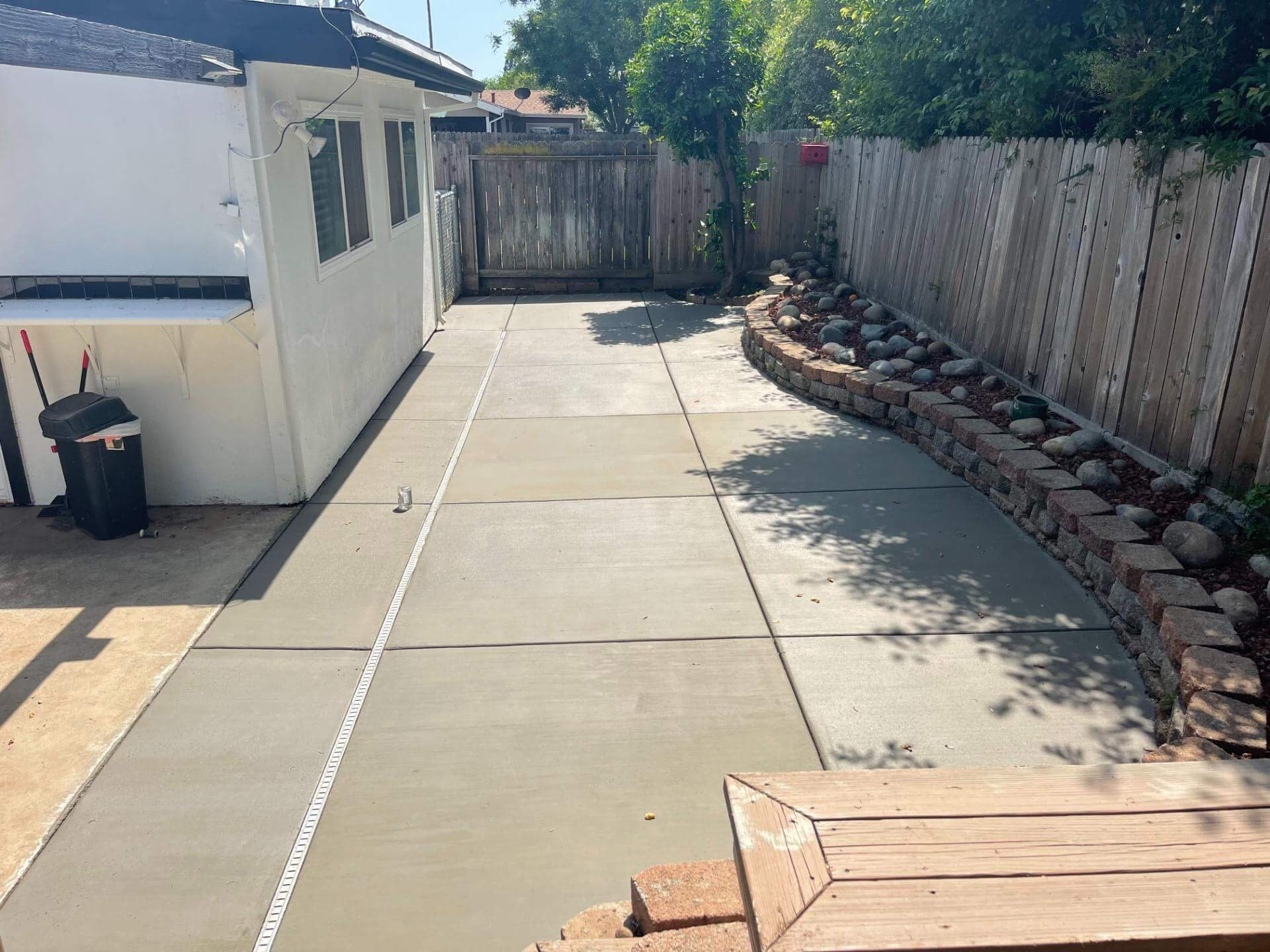
The slab is screeded and finished flat to the tolerance the application requires, with control joints positioned so that shrinkage cracking occurs where planned.
Why choose CA Pro Concrete for your slab
- Specified by load
- Thickness and reinforcement are determined by what the slab will carry. A hot tub pad, a shop floor and a shed base are three different specifications.
- Finished to tolerance
- A slab supporting a structure or equipment is finished flat to the tolerance the application requires, because level cannot be corrected once the slab is in service.
- Residential and commercial
- Garage and ADU slabs, shop and warehouse floors, equipment pads, and parking areas for commercial sites.
- CSLB License #1024813
- Licensed with the California State License Board and fully insured, which is a requirement on work subject to inspection.
Concrete slab questions
If your question is not answered here, contact CA Pro Concrete directly. We assess every job on site and provide a written estimate at no charge.
How much does a concrete slab cost in Sacramento?
Thickness, reinforcement and the extent of site preparation determine the price, and all three follow from the load the slab will carry. A shed pad and an ADU foundation at identical square footage are not comparable in cost.
Excavation is the factor most often underestimated. Ground that must be excavated, hauled off and replaced with imported base costs more than ground that can be cut and compacted in place. See digging and grading for that stage. Estimates are provided on site at no charge.
What are the different types of concrete slab?
The most common type in this region is a slab on grade: concrete placed directly over prepared ground, generally with a thickened edge or a separate perimeter footing to carry the walls. Where the thickened edge and the slab are placed as a single pour, it is described as a monolithic slab.
The other types in general use are stem wall foundations, in which a short wall sits on a footing and the slab is poured within it, and suspended slabs, which span between supports rather than bearing on the ground. Most residential flatwork, from shed pads to garage floors, is slab on grade.
How thick does a concrete slab need to be?
Four inches is standard for most residential slabs, including shed bases, garden pads and standard garage floors. Five to six inches with heavier reinforcement is specified where vehicles, equipment or stored weight are involved, and commercial floors may be thicker again.
Thickness is one of several factors. Reinforcement, base preparation and joint layout contribute equally to performance. A thick slab over a poor subgrade will still fail.
What is the difference between concrete and cement?
Cement is a single ingredient. Concrete is the finished material: cement, sand, aggregate and water, generally with admixtures. Cement is the binder that holds the other components together and is not a material a slab can be poured from on its own.
The terms are used interchangeably in general speech, and a cement slab and a concrete slab refer to the same thing in ordinary usage. The distinction becomes relevant when specifying a mix.
Is a slab foundation better than a raised foundation?
Neither is universally preferable, as they suit different conditions. A slab on grade is poured directly over prepared ground, requiring fewer steps and no crawl space, with the finished floor close to grade. A raised foundation on stem walls or piers provides a crawl space, which keeps plumbing and wiring accessible and accommodates a sloping lot more readily.
Slab on grade is the standard choice for new residential construction on level ground in this region, and for garages, shops and ADUs. Site conditions generally determine the decision: lot gradient, drainage and soil type.
More Concrete Work
Other work we do around Sacramento
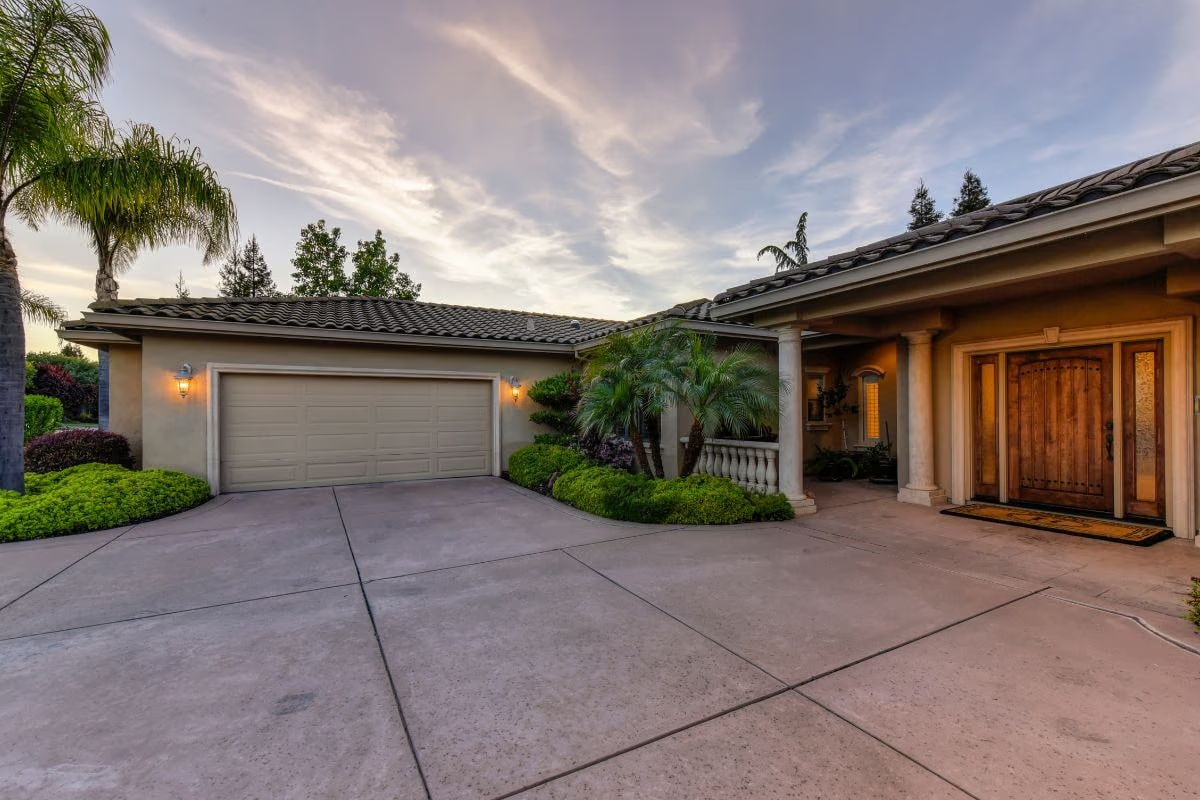 Concrete RepairWe specialize in concrete surface repairs (crack repair, surface repair, and concrete preparation repairs) as well as driveway repair and replacement.View
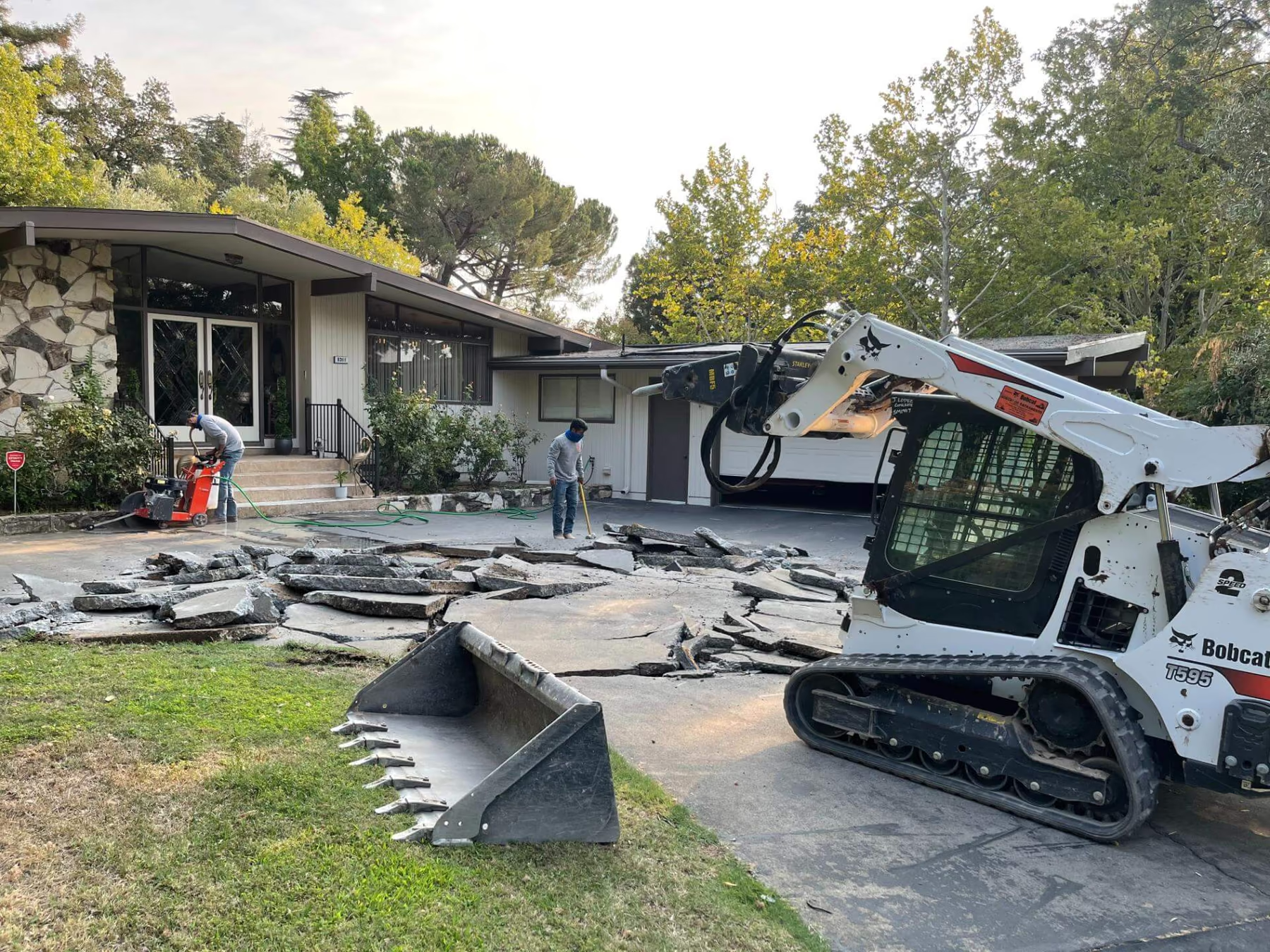 Concrete DemolitionLooking to remove old or unwanted concrete from your property? We handle driveways, pool decks, patios, steps, walkways and slabs.View
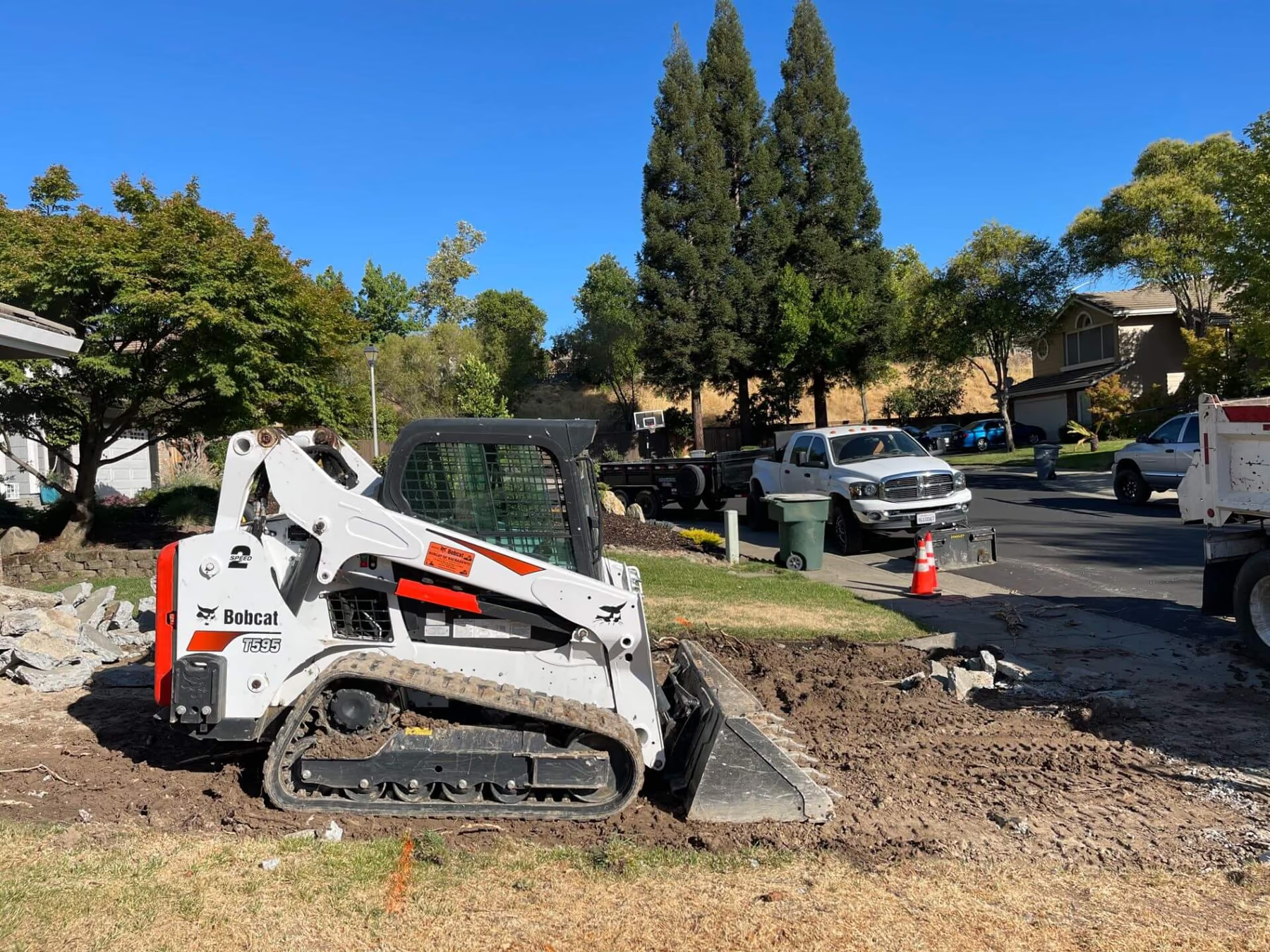 Digging & GradingGround reshaping and land modification, so the site is level, draining and ready before a single yard of concrete is ordered.View
- All Concrete ServicesThe full list, from a garden path to a parking lot.View

Free Estimates
Let's Talk About the Concrete You Need
Tell us about the job and we will come out and look at it. Estimates are free, and there is no charge for the visit.